• …people are almost universally unprepared to respond to the vanguard art of our present age. They are indeed unprepared, almost as if they belonged to an earlier century, to acknowledge it as art!”

    ~ Arthur C. Danto

    ¶¶¶¶¶

    ¶¶¶¶¶

    ¶¶¶¶¶

    ¶¶¶¶¶

  • Sonami’s selected artist for the Spread exhibition was artist, Jacqueline Gordon. Yet another amazing artist that does incredible work exploring architecture and how sounds (whether from the outside coming into a designated space or synthesized sound) affects both the space and the listener. Hoping to see her featured on artist site, The Limner, soon. You can view her upcoming graduate show here.

  • Although a pretty lengthy video, it’s worth the time and energy especially if you are into experimental music and abstract sounds. For the last installment of my reflections on the Spread Exhibition, which is unfortunately over, I’m working through the last pair that includes this incredible vanguard sound artist, Laetitia Sonami!

    ¶¶¶¶¶

    ¶¶¶¶¶

    ¶¶¶¶¶

    ¶¶¶¶¶

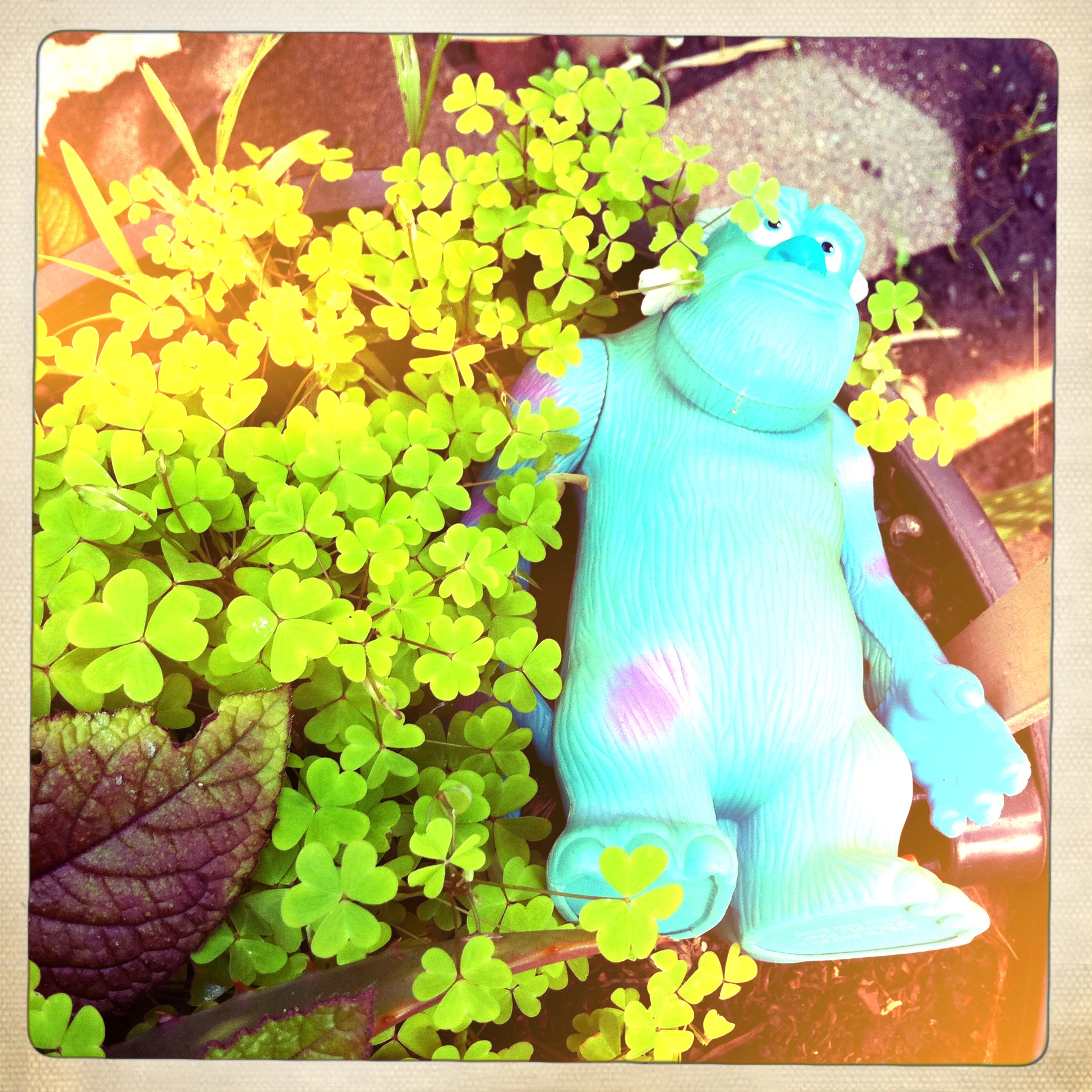
  • Photo by: Dorothy Santos

    I’ve heard that anybody can be a photographer these days. I’m sure you’ve heard this as well.

    From SLRs to point-and-shoots to our mobile phones, people with mobile devices have the ability to make anyone a photographer. Inevitably, this leads to artists having to re-construct and re-purpose such a medium. Anyone can take a picture but how does an artist show, through photography, elements of how we live, who we interact with, and how we know things through contemporary photography?

    The photo above was taken while I was traipsing around my girlfriend’s apartment complex backyard. It’s, literally, an insane collection of discarded toys and plastic artifacts. I took pictures and ended up saving them on my phone thinking that I could, possibly, order a print (yes, from my phone, I still think that’s pretty unbelievable myself) if I was inclined. Either way, it was a way for me to record what couldn’t easily be described with words.

    Before opening night of the Spread show, the OFFSpace Curatorial team sent a message to their distribution list encouraging individuals to contribute a photo that would be utilized in the Cell Tango (2010) piece by George Legrady and his selected artist Angus Forbes. The collaborative work involved sending a picture to an e-mail created specifically for the show, excluding text in the body of the e-mail, but adding one word descriptors or “tags” of the image in the subject line. When I submitted the above, my tag was “monster”. During the artist panel discussion, I stood in anticipation for my picture to appear. Eventually I saw my “monster” photo grouped with other photos. Legrady explained to audience that the photos sent by the audience were connected and streamed with Flickr photos with the same tags within the community. In Cell Tango, Legrady and Forbes showed the intersections of language and image and our collective understanding of objects and things and even ideas!

    ¶¶¶¶¶

    ¶¶¶¶¶

    ¶¶¶¶¶

    ¶¶¶¶¶

  • In principle, a work of art has always been reproducible. Man-made artifacts could always be imitated by men. Replicas were made by pupils in practice of their craft, by masters for diffusing their works, and, finally, by third parties in the pursuit of gain. Mechanical reproduction of a work of art, however, represents something new. Historically, it advanced intermittently and in leaps at long intervals, but with accelerated intensity.

    ~ Walter Benjamin, Illuminations

    ¶¶¶¶¶

    ¶¶¶¶¶

    ¶¶¶¶¶

    ¶¶¶¶¶

  • George Legrady's Student Artist, Angus Forbes

    ¶¶¶¶¶

    ¶¶¶¶¶

    ¶¶¶¶¶

    ¶¶¶¶¶

  • Click this image and discover George Legrady
  • If there is one thing I’ve learned about art, it’s that anything goes. Gesture and the body are integral components that make Tony Labat and Guy Overfelt’s work so difficult to deny. The physicality involved in the making of their pieces is part of the creative process as well as the end result. After attending the artist panel discussion on April 14th, 2011, Labat was there with his selected artist, Guy Overfelt, and he mentioned the body serving as material for the art work.

    For the Spread exhibition, Overfelt’s piece, Taser (by Proxy) (1998), shows Overfelt being tased by Labat. The off white color of the room and Overfelt’s dark clothing provide a sterile backdrop for the action. As Overfelt’s body tenses, a shot from the taser gun is released. He falls to the floor and the viewer is left to reconcile the happening between student and teacher and the response of shooter and recipient. Quite frankly, I can’t help but think of Americana and masculinity when viewing the work. Collectively, it involves the body and how the body is used to get what it wants, what it needs, and how much the body can withstand. The body is defined in a particular space, which requires the viewer to identify their role and engagement in the act of looking and watching.

    “Labat (along with Chris Burden and Dan Graham, Lucille Ball and Ann Magnuson, Richard Pryor and Johnny Knoxville) should be a key figure in any history of artists using action to negotiate the role of media in constructing the various, often ephemeral, aesthetic, sexual, and political narratives producing and produced by bodies or their absence.” ~Bruce Hainley, Artforum, January 2006

    With Labat’s synthesis of ideas as reflections on culture, identity, and politics, it’s only natural these notions permeate in his students’ work, in particular, Guy Overfelt. With the body as a means of showing a concept and breaking down the old taxonomy of American identity, Overfelt creates installations and sculptures where the viewer physically exists with form and matter in close proximity. Up in Smoke is a large-scale piece created from inflatable nylon and powered by an electric blower. Although one of the largest pieces in the entire Spread exhibition, it’s message strikes me as quite a simple one: all things eventually dissipate. Yet, with such an undeniable fixture as Up in Smoke, I couldn’t help but think back to my days in undergrad studying Karl Marx and how fitting a line from the Communist Manifesto,

    All that is solid melts into air, all that is holy is profaned, and man is last compelled to face with sober senses, his real conditions of life, and his relations with his kind. ~ Karl Marx, The Communist Manifesto

    NOW…by no means am I associating Guy Overfelt’s work with any political and/or social movement. Yet, the Marx quote fit and it’s probably the second time in my entire life that I’ve actually had the opportunity to use it! Truthfully, there’s something about the way we exist and participate in consumption and creation that is not entirely apparent to us, at first. Yet, with a fair bit of scrutiny and an artist that presents simple ideas complexly or complex ideas simply. Overfelt’s past work culminates into a smokey haze that one has to physically take part in and understand from the inside out.

    ¶¶¶¶¶

    ¶¶¶¶¶

    ¶¶¶¶¶

    ¶¶¶¶¶

  • Guy Overfelt, Taser (by proxy), single channel video, 1998

    If you think all artists are quiet and sensitive, then you’ve probably never been a witness to Tony Labat and Guy Overfelt’s work. For Part III, I will be covering the pieces they selected for the Spread exhibition. For now, click here to view Guy Overfelt’s site. You can learn a bit more about Tony Labat here.

    ¶¶¶¶¶

    ¶¶¶¶¶

    ¶¶¶¶¶

    ¶¶¶¶¶