


Art, not unlike raising children,…may entail much sacrifice and periods of despair, but, with luck, the effort will produce something that outlives you.
~ Michael Kimmelman, Art Critic and Historian
-
¶¶¶¶¶
¶¶¶¶¶
¶¶¶¶¶
¶¶¶¶¶
¶¶¶¶¶
-

ArtHaus Gallery Profile Over a month ago, I had the privilege of talking to gallery owners, James Bacchi and Annette Schutz, for Asterisk SF magazine. Not only was it a great conversation but a wonderful story of how ArtHaus has flourished over the years through a tough art market. They’re, certainly, a staple in the San Francisco Art Scene and know exactly how to spread much-needed passion and love for the arts. Please click on the image above to check out the gallery profile.
Also, don’t forget to check out Asterisk SF! Being an SF native, this publication is particularly close to my heart!
¶¶¶¶¶
¶¶¶¶¶
¶¶¶¶¶
¶¶¶¶¶
¶¶¶¶¶
-
The bastard form of mass culture is humiliated repetition… always new books, new programs, new films, news items, but always the same meaning.
~Roland Barthes, French literary theorist, philosopher, critic, and semiotician
¶¶¶¶¶
¶¶¶¶¶
¶¶¶¶¶
¶¶¶¶¶
¶¶¶¶¶
-

Some time last week, I watched the documentary, My Kid Could Paint That by filmmaker Amir Bar-Lev. The documentary is definitely worth watching being that it forces the viewer to make up their own mind about the Modern Art movement. Pick it up and please feel free to tell me what you think. As the title of today’s posts states, my new art crush is Michael Kimmelman! He provides his insight and thoughts in the film and, well, you guessed it, those were my favorite parts of the film. Since then, I picked up a couple of his books (via Amazon) for dirt cheap and pretty excited!
- Portraits: Talking with Artists at the Met, The Modern, The Louvre and Elsewhere (Random House, 1998)
- The Accidental Masterpiece: On the Art of Life and Vice Versa (Penguin Press, 2005)
I’ll let you know what I think but from reading some excerpts, I’m in love with his writing style!! Of course, of course…white guy writing about art (typical) but I’m attached to Mr. Kimmelman’s ways. He doesn’t know this but he’s helping this POC/WOC* come up in the art world.
Damn, it would be great to meet him one day…
* * * *
*Person/People of Color, Women/Woman of Color – Just in case you were wondering…
* * * *
Oh, and, Josef, if you’re reading this…THANK YOU for telling me to watch the film. I’m sure I would have found MK’s work somehow researching all these art historians and critics BUT you helped me make it a speedy discovery. 🙂
¶¶¶¶¶
¶¶¶¶¶
¶¶¶¶¶
¶¶¶¶¶
-
¶¶¶¶¶
¶¶¶¶¶
¶¶¶¶¶
¶¶¶¶¶
¶¶¶¶¶
-
What is the best way to understand artists?
For me, it’s, actually, going through the art making process. To experience what the artist experiences. Everyone is unique and completely different but the commonality is the struggle all artists have to create something and be heard, seen, and understood. The above slide show includes pictures I took of my work currently at the UC Berkeley Extension Art and Design campus in Downtown San Francisco. I did a series of drawings for my ‘Working in Series’ class. Having never shown work before, it was an eye-opening experience. Although a student show, it reminded me of all the components integral in staging an actual exhibition.
Likes:
- The camaraderie
- Seeing my classmates again
- Witnessing how we’re all different and how our unique experiences are reflected in our work
- Teamwork amongst artists to showcase work appropriately
- An amazing professor – Pam Lanza!
Dislikes:
- Measuring and hanging
- The Security Guard gave me the stink eye as I entered the building with my drawings as if I wasn’t supposed to be there
- Hanging up the art work and looking at it a million times to see if it’s straight
- Feeling sad when seeing my classmates’ frustrated after having to hang and re-hang their pieces
- Wondering if people will understand or care…then again, it doesn’t matter (I guess)
Overall, being an art maker has definitely helped me with my writing skills. Allowing myself to being an artist (outside of classes and writing) gives me insight into the overall process. Another epiphany, I don’t want to be a curator or gallery owner! They have ridiculously difficult jobs!!
¶¶¶¶¶
¶¶¶¶¶
¶¶¶¶¶
¶¶¶¶¶
¶¶¶¶¶
-

- Evan Nesbit – ethic / esthtic, 2010
A few quarters ago, I took a contemporary art history class at the UC Berkeley Extension and professor, Dewitt Cheng, showed us a family tree of art movements. Unfortunately, I was unable to locate it and thinking of just asking him very nicely to send it to me for posting on my blog. In an attempt to locate it online, I ran into this a great tree of art movements by Evan Nesbit. Nesbit studied painting at the San Francisco Art Institute and is currently obtaining his MFA in Painting at Yale University.¶¶¶¶¶
¶¶¶¶¶
¶¶¶¶¶
¶¶¶¶¶
-

Modern Math The Merriam Webster dictionary defines perceive as, to attain awareness or understanding of.
If perception is the way we ascertain awareness, then the frustration for some people who find themselves ‘not getting it’ are probably the same individuals unwilling to understand, right? Well, to my two friends, Justin and Josef, I wanted share a few thoughts…
- Modern artists didn’t make art to annoy or anger you, trust me. If you’re angry or frustrated, talk it out. One should not be angry over art. Come on, now!
- Modern and Conceptual art are NOT pointless.
- Question to DS: There’s a room with nothing but a TV with all these images WHAT is the point of that? Answer: To make you think…sorry, you gotta do this!
- Do you really want someone to ‘tell you what Art is’? Boo. No fun.
* * * *
I’ve got dreams (idealistic ones) about the art world.
Little by little, I’m hoping to turn the following questions and statements…
“What the hell does that mean?”
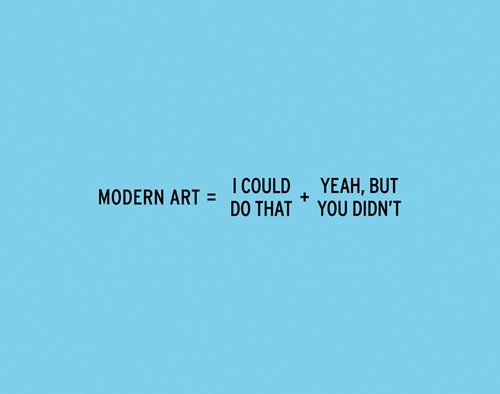
“My Kid could do that.”
“I don’t get it.”
“That is not art, it’s stupid.”
into…
“It makes me think of…”
“So, this person was considered an innovator? I’m just curious, how? What was the context?”
“I may not understand and/or like this BUT this is what I see and/or experience…”
“This may not be my type of thing; however, looking at the other stuff around here, someone may say that about a piece of art I, actually, understand.”
¶¶¶¶¶
¶¶¶¶¶
¶¶¶¶¶
¶¶¶¶¶
¶¶¶¶¶
-

Please click on the AP logo to view my Shotgun Review of Manufactured Organic at Root Division ¶¶¶¶¶
¶¶¶¶¶
¶¶¶¶¶
¶¶¶¶¶
¶¶¶¶¶
-
The invention of the camera changed the way men saw. The visible came to mean something different to them. This was immediately reflected in painting. ~John Berger, Ways of Seeing
¶¶¶¶¶
¶¶¶¶¶
¶¶¶¶¶
¶¶¶¶¶
¶¶¶¶¶

 Dorothy R. Santos, Ph.D.