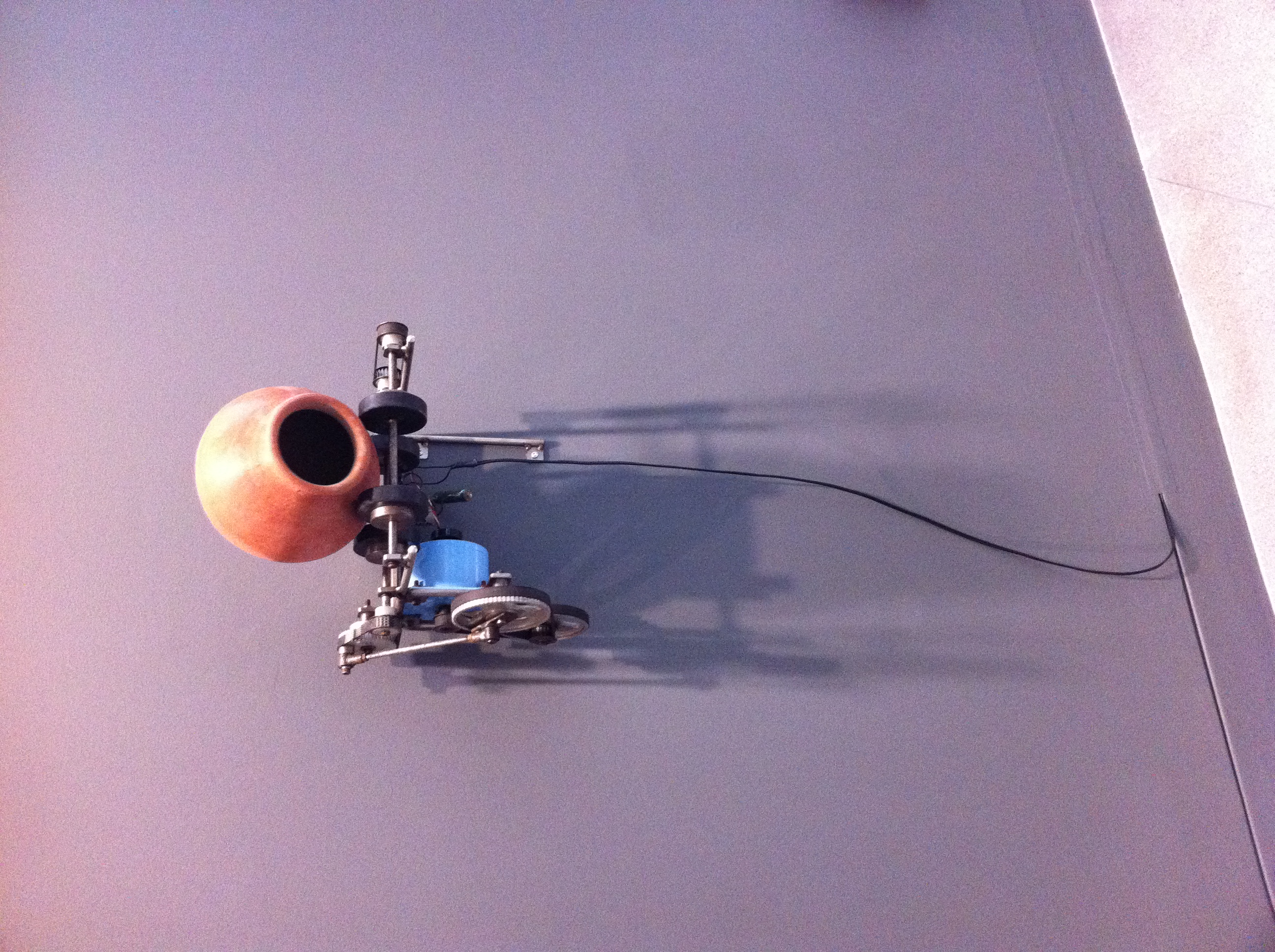
• Untitled (2008), Rotating matka (earthen pot), motorized rotational mechanism | Artist: Sudarshan Shetty

    Over the weekend, I visited the Yerba Buena Center for the Arts and saw The Matter Within: New Contemporary Art of India exhibition. I found myself making my way back to Sudarshan Shetty’s installation work. Both Untitled pieces (the above from his ‘Saving Skin’ series and the one below from his ‘Stab’ series) intrigued me. Although the mechanism tipped the pot back and forth with a constant, even rhythm that mimicked human movement, the piece presented tension and discomfort. The overall work presents the duality of new and old technologies

    As noted on the exhibition placard for his work, the pot is a part of a series that ,

    …recalls the loss of connection with earth and body, represented by the traditional earthen pot, in an increasingly mechanized universe.

    ~Source: YBCA exhibition placard

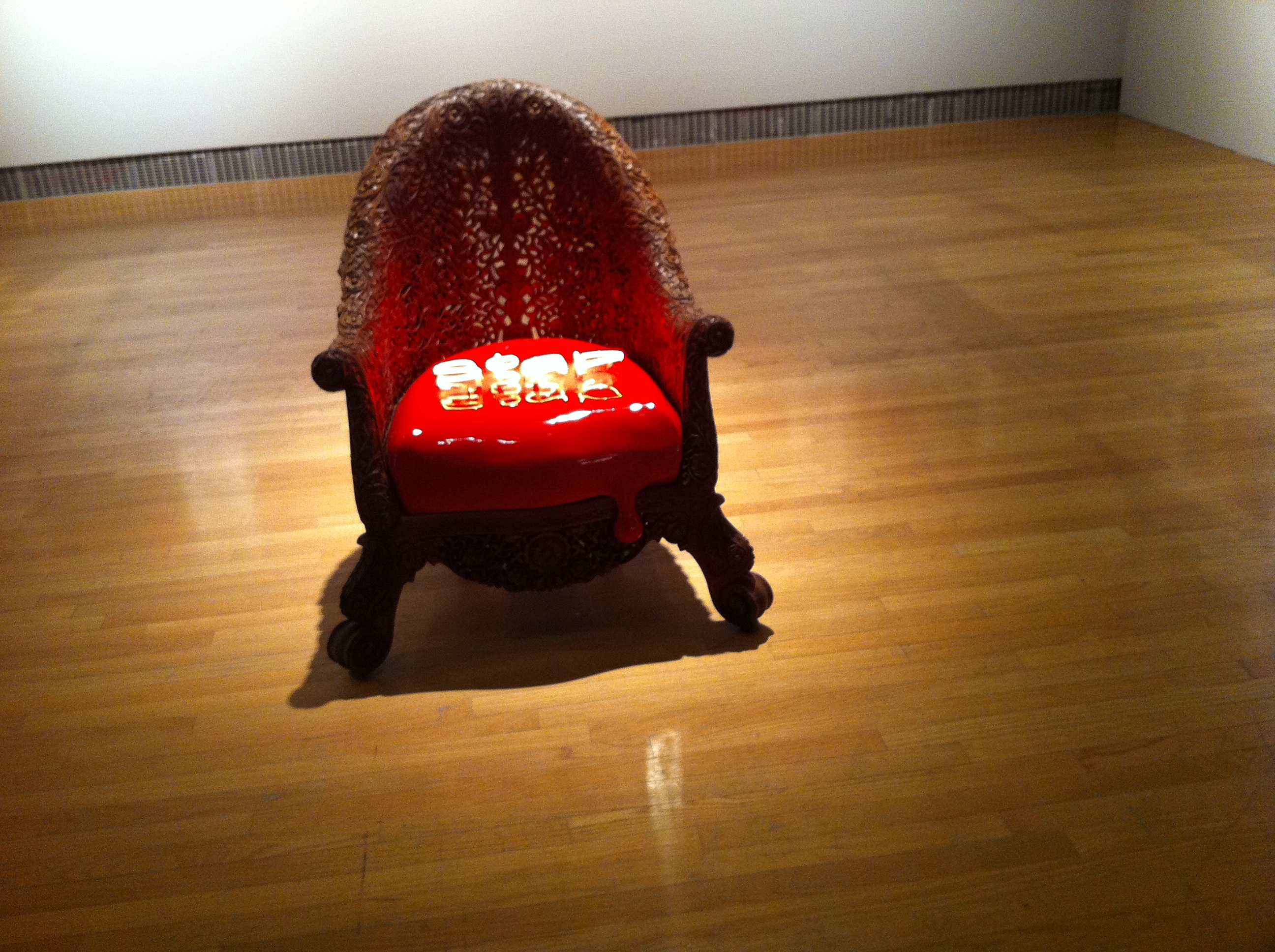
    Untitled (2010), Wooden Chair, paint on fiberglass, neon | Artist: Sudarshan Shetty

    Similarly, the intricately wooden chair coupled with something modern and contrasts with tradition. The relationship of the old and modern world presents the strain between tradition in a rapidly evolving world.

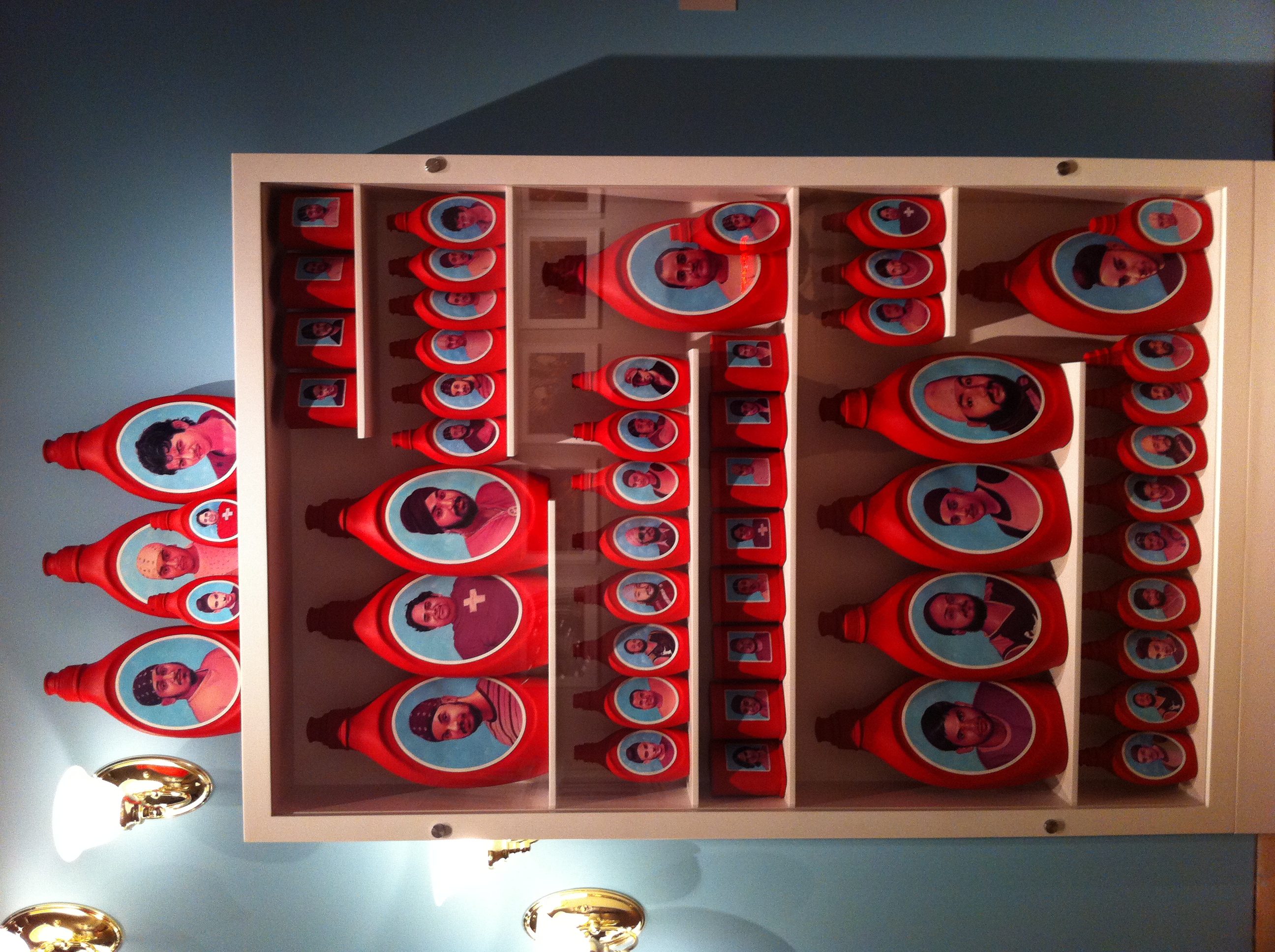
    Artificial Strawberry Flavor-1 (2008), Corian cabinet, fiberglass bottles, oil, acrylic | Artists: Thukral & Tagra

    I’m not sure if it’s the abundance of red coupled with the quantity of highly rendered oil and acrylic paintings on each bottle (some easily identified as Hershey’s Cocoa Powder and syrup containers) but this piece worked extremely well. It provided commentary on the nature of consumerism and vibrancy of pop culture imagery in Punjabi society.

    ¶¶¶¶¶

    ¶¶¶¶¶

    ¶¶¶¶¶

    ¶¶¶¶¶

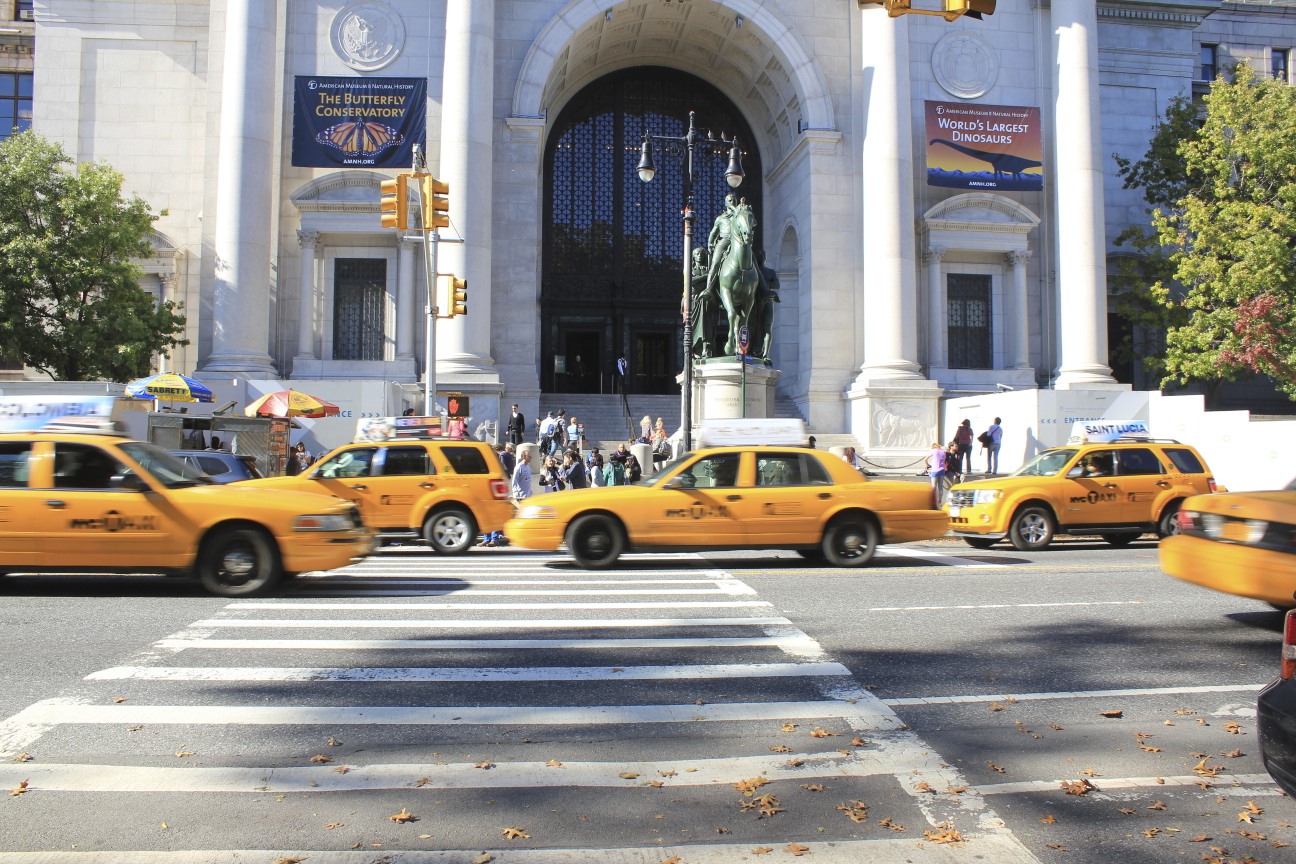
  • Across the street from the American Museum of Natural History
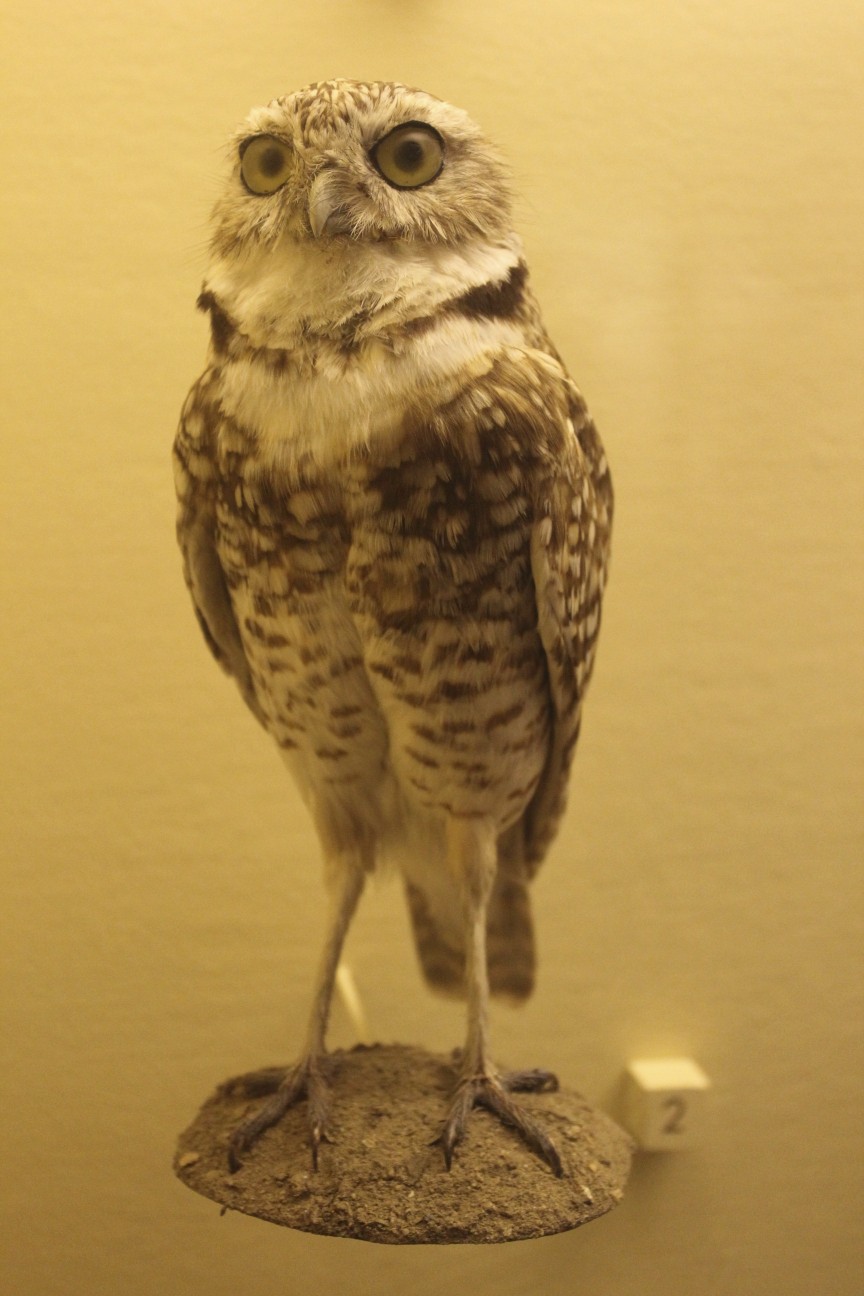
    Lovely Burrowing Owl
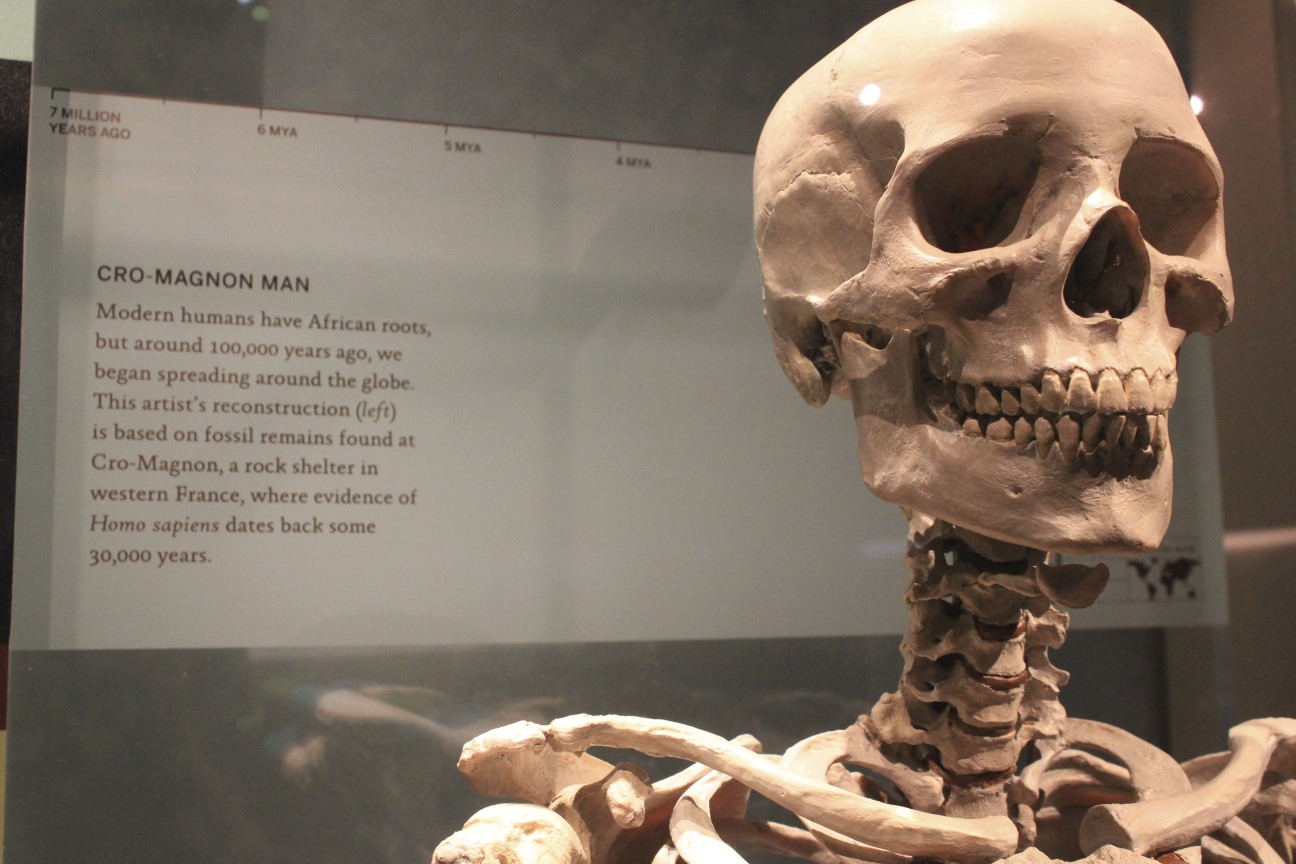
    Duh, it's a skeleton. Well, Cro-Magnon Man, to be exact.
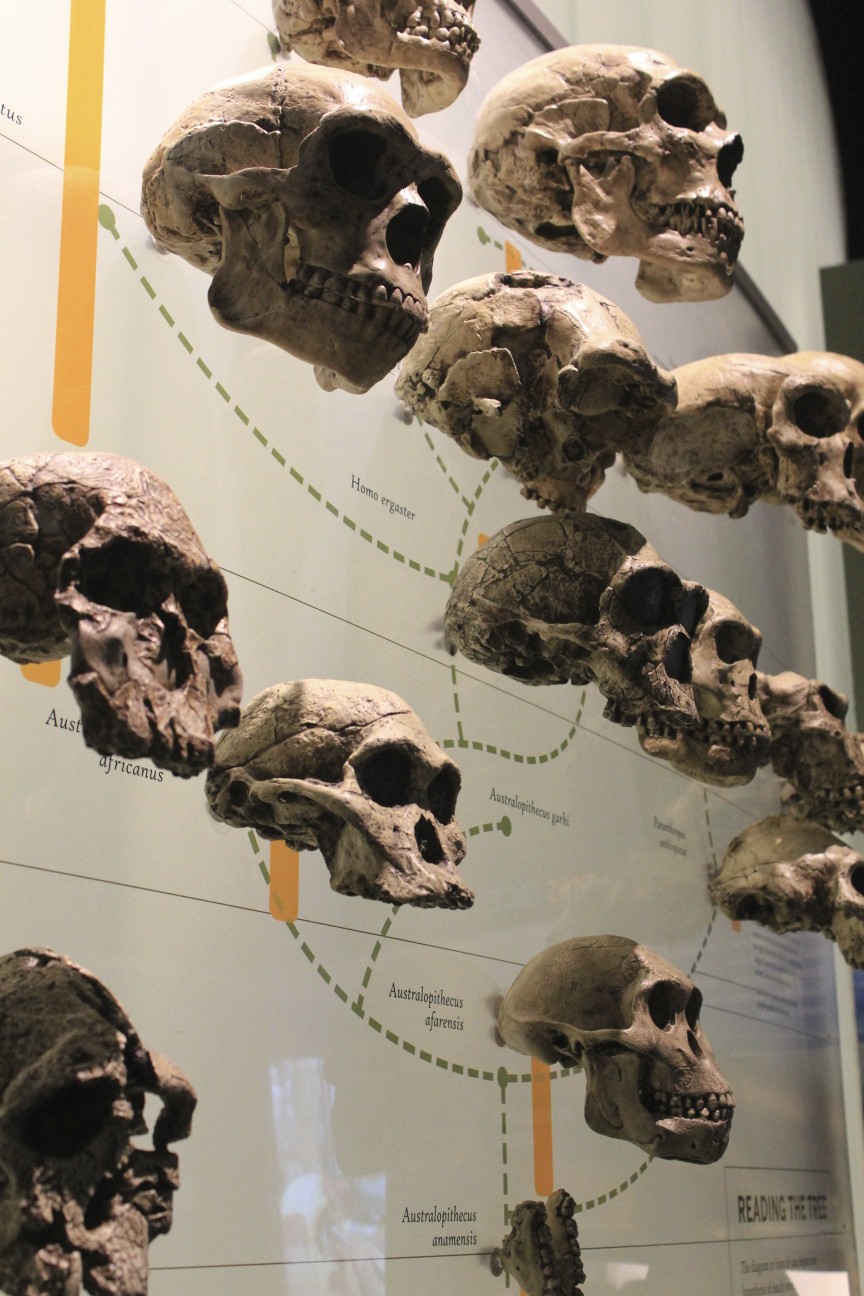
    Here's a whole display of heads

    ¶¶¶¶¶

    ¶¶¶¶¶

    ¶¶¶¶¶

    ¶¶¶¶¶

  • Being a Rhizome member certainly has its benefits. For some time, I only had a username and password, which didn’t do much. I couldn’t add art events, I was unable to add new artists as favorites to my profile, and couldn’t really engage with other Rhizome members. Last month, I finally decided to give Rhizome my $25 to get my virtual hands on some artwork and the ability to leave comments on some well written critical pieces on art and technology. In any case, The Download (available to members only) launched this morning. The first downloadable artwork is Ryder Ripps: Ryder Ripp’s Facebook (2011). Ripps’s digital piece is reminiscent of Kenneth Lo’s conceptual work, Every Stone Thethered to Sleep (2010), that showed early this year at Southern Exposure gallery in San Francisco. They both look at the nature of memory and how one connects with the rest of the world.

    Looking through Ripp’s Facebook photos and videos, one may wonder how a bunch of file folders containing Facebook photos and videos can be considered art. Then again, that’s the point, to discuss. I have friends post fancy edited photography of their kids and landscapes. Is that art? Well, personally, I don’t think so and here’s why. People want to show you something (i.e., My kid is cute., The sun setting over the Pacific Ocean is gorgeous., etc.). There’s an assertion and assumption that what is shown to you is a thing of beauty. Right? I mean, that’s why people post photos of themselves in the best light. For goodness sake, I do that with my profile pictures!

    My point: Art such as Ryder Ripps provoke us to perceive in different ways. When photographs and sculptures based on social networking are brought to a viewer’s attention, whether it be a download or an exhibition in a gallery, these artworks aren’t blatant or spoon-fed cuteness or pretty retinal delights. Works such as Ripp’s want us to think about what’s in the background, why something is important, what might be missing that we’re not seeing, or just plain humorous and absurd. Remember, artists are like film directors, they’re only going to show you parts of a whole so you can gestalt the rest.

    In any case, looking forward to looking through more of Ripp’s photos and videos. Now, you maybe asking yourself, “She paid $25 to look at artists photos and videos?” The answer is yes but I’ll have a lot more to discuss at a dinner party than you…I’m certain. 😉

    ¶¶¶¶¶

    ¶¶¶¶¶

    ¶¶¶¶¶

    ¶¶¶¶¶

  • It is wrong to say that in philosophy we consider an ideal language as opposed to our ordinary one. For this makes it appear as though we thought we could improve on ordinary language. But ordinary language is all right. Whenever we make up ‘ideal languages’ it is not in order to replace our ordinary language by them; but just to remove some trouble cause in someone’s mind by thinking that he has got hold of the exact use of a common word. That is also why our method is not merely to enumerate actual usages of words, but rather deliberately to invent new ones, some of them because of their absurd appearance.

    ~Ludwig Wittgenstein, Philosopher

    Revisiting the questions in The Body Organic – Part I, does the new media artist have the ability to divorce language from their work?

    The complex, universal, and abstract ideas simplified in Snibbe’s work capture the beauty of nature through beautiful calculation and minimalist design. Physical presence and engagement are integral to the overall experience of the art. Each experience is new. Yet, new media arts seems tethered to language. As Snibbe mentioned the limitations of language during an UpgradeSF artist talk, language is far too intertwined in new media, which presents an unprecedented challenge in redefining highly technological work as fine art. Although the body is a primary part in many new media art works and interactive pieces, the invention of new languages is imperative in the evolution of art and culture. Even with language having played a huge role in Dadaism and the Fluxus movement, the use of language in current new media arts creates an organic experience involving the senses and uses language to create image and interaction. As programmers, developers, and creative coders, the creation of platforms such as Processing enable artists to take language and create visual works but what happens when the limitation of language riddles the next wave of artists? The inescapable reliance on language (i.e., programming and coding) persists.

    Originally published to zero1 blog. Please view post here

    ¶¶¶¶¶

    ¶¶¶¶¶

    ¶¶¶¶¶

    ¶¶¶¶¶

  • Image Source: WHOA Magazine

    Being an art writer and blogger is tough. There’s so much to keep up with in the world since the popularization of social networking sites such as Friendster, MySpace, Tribe, and Facebook. THEN, you have online news sources like Digg and Reddit on top of reading through RSS feeds. OH, and did you know about online curation sites like Pearltrees and Pinterest (suggested by talented new media artist, Matt Ganucheau)?!?!

    Yeah, I know. That’s a lot of online stuff going on, eh?

    It can all be a bit daunting but this is all indicative of the time we live in.

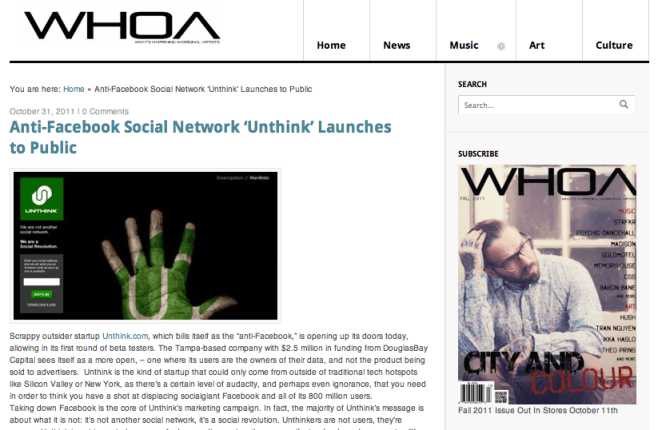
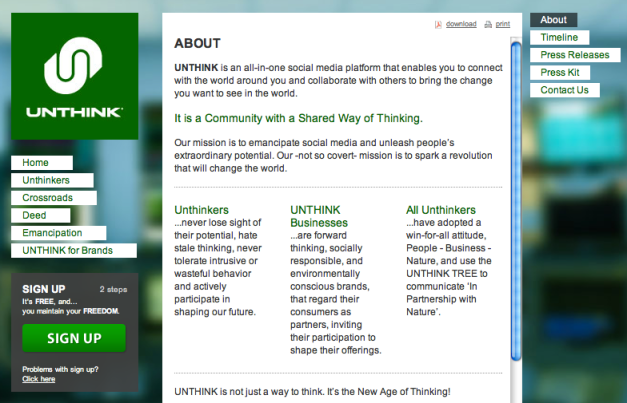
    It’s difficult to keep up with all the rapid changes in technology but I’m convinced it’s all about working with what you’re able to handle. One of my resources for what’s going on in the world is print and online publication WHOA, which is where I learned about new social media platform, Unthink. The hope is to give Unthink users an online space where they completely own their content and usage is free from advertising (hmmmm, quite ambitious) BUT this does give way towards yet another venue for discussions, forums, and endless possilibities for folks who want something different from current platforms. Whether it will incite an online social revolution, we have yet to see. In any case, if you’re interested in learning more, click on the screenshot of Unthink below.

    PS: Just in case you’re wondering, I signed up with Unthink to be a Beta Tester but didn’t receive my invite pin. Sigh. I’ll keep you posted.

    Image Source: Unthink About Page

    ¶¶¶¶¶

    ¶¶¶¶¶

    ¶¶¶¶¶

    ¶¶¶¶¶

  • Have a very happy, fun, and safe Halloween!

    Eat good candy, brush and floss your teeth, and enjoy a scary movie (or two). Wishing you a very happy, fun, and safe Halloween!!

    ¶¶¶¶¶

    ¶¶¶¶¶

    ¶¶¶¶¶

    ¶¶¶¶¶

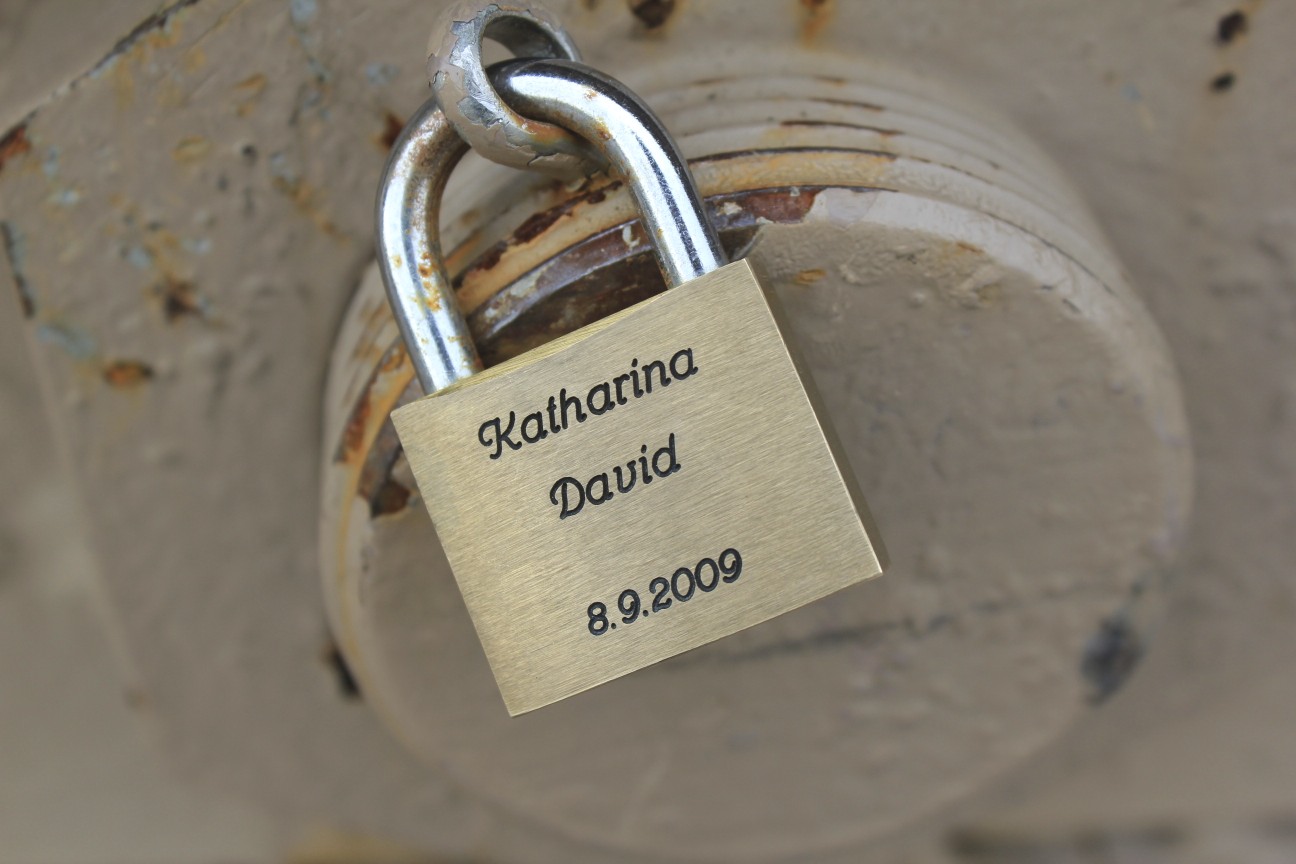
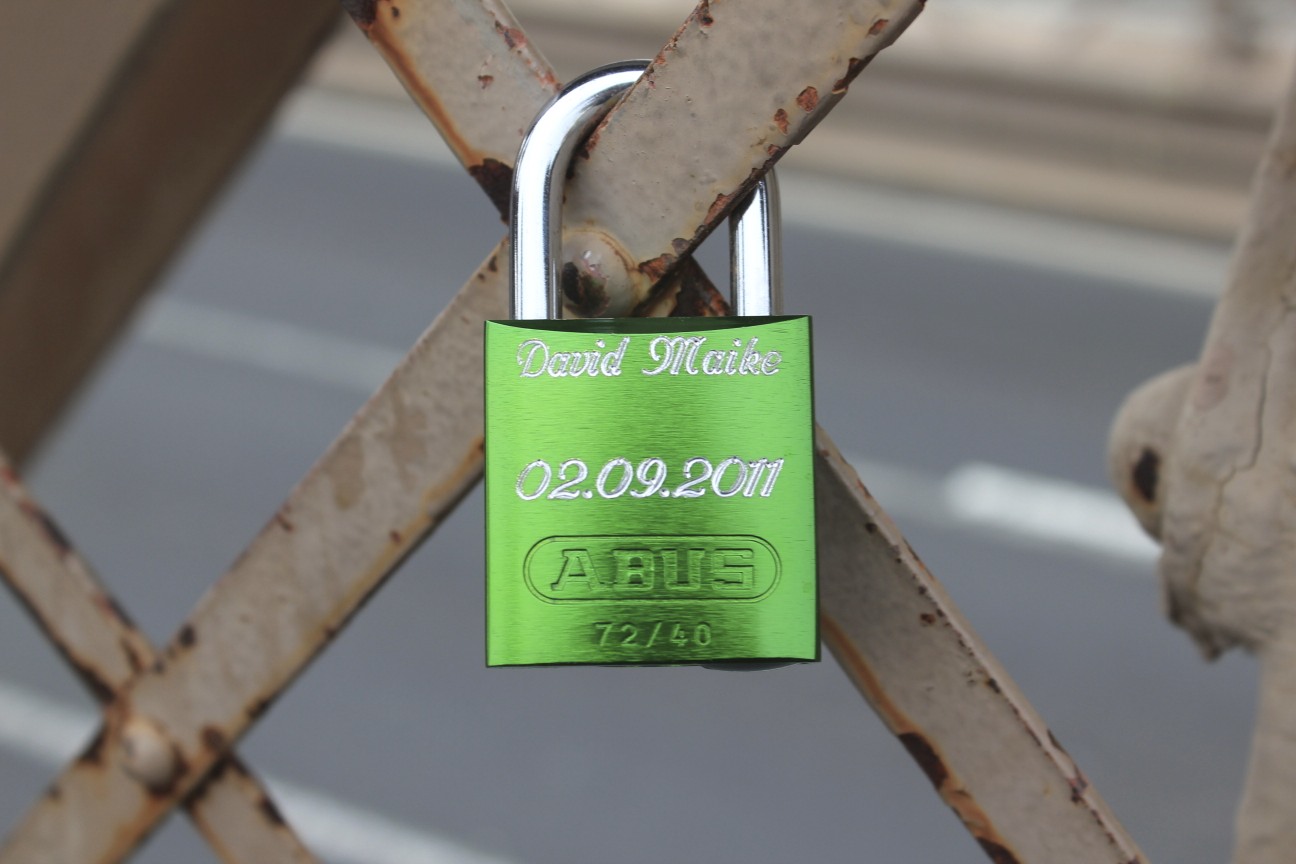
  • It’s safe to assume I did a lot of walking while I was in New York. Walking the Brooklyn Bridge was fun despite the biting cold. Along the way, my girlfriend showed me something extremely sentimental and unique to the Bridge – padlocks. Apparently, these locks were hung by lovers devoting eternal and unconditional love (according to Roman tradition) and tossing the key into the river. You can read an article from the Brooklyn Daily Eagle here about the locks. Here are my photos of the lock (love) ritual on the bridge. Enjoy!

    First padlock…
    The only fire engine red padlock on the bridge
    Two locks together?
    This lock was a bit lower on the fencing. Perhaps, to deter from removal.
    So simple but these locks make me wonder the stories behind them…
    What is David's story? Hmmm, a few days before Valentine's Day 2011…
    Johanna loves Sebastian | Sebastian loves Johanna

    ¶¶¶¶¶

    ¶¶¶¶¶

    ¶¶¶¶¶

    ¶¶¶¶¶

  • Talk to Me: The Design and Communication between People and Objects

    An incredible exhibition of new media and interactive art at the New York Museum of Modern Art. I took an insane amount of photos but wanted to share the pieces that stood out. All of the works were impressive but this would be a ridiculously long post. Please feel free to comment and/or ask questions start a dialogue. Enjoy!!!

    SMSlingshot, 2009 ~ Team: Christian Zollner, Patrick Tobias Fischer, Thilo Hoffmann, Sebastian Piatza, and VR/Urban

    SMSlingshot was made from the following: high-frequency radio, Arduino board, laser, batteries, plywood, and ash wood. The SMSlingshot marries a traditional weapon with text-messaging technology, projecting digital information onto building facades and other surfaces and turning them into public screens. The battery-powered device is a wooden slingshot with a display screen, keypad, and laser. Users type text messages and then release the slingshot to “blast” them onto nearby surfaces, where they appear within a splash of color and linger as long as the writers decide: at the same instant, the text is transmitted globally via Twitter. For the designers, the SMSlingshot is a tool for reclaiming and occupying increasingly commercialized urban space.

    ~ Text Source: New York MoMA Exhibition Plaque text

    Engaging work by Jaakko Tuomivaara

    Hide & See by artist, Jaakko Tuomivaara

    A constantly ringing phone doesn’t delight anyone – especially when you have guests around. A discreet cue showing incoming calls and their relative importance gives you the chance to ignore anything that can wait and make your excuses when something can’t.

    Every call shows up as a dot, with the red dots around the lips reserved for important numbers. This way the owner of the piece can quickly decode both the number and relative importance of the calls.

    ~ Text Source: Artist Site (Please click on the image above to learn more about Hide & See and other works by Tuomivaara)

    Growing up Catholic, this piece absolutely intrigued me…

    Prayer Companion (2010) is made from Photopolymer resin, dot-matrix, display, and printed circuit board. The piece was created by Interaction Research Studio at Goldsmiths – University of London.

    Prayer Companion alerts the nine Poor Clare nuns cloistered at a monastery in York, England, to issues that need their prayers. The nuns, whose everyday lives have changed little since medieval times, take vows of enclosure, and presently their connections to the outside world are occasional and limited. Designed to be understated and unobtrusive, the Prayer Companion – the nuns call it “Goldie” – sits on a table in a well-traveled hallway, scrolling a ticker tape of current issues sourced from RSS news feeds, social networking sites, and blog entries aggregated by the website We Feel Fine (which compiles the emotions of anonymous strangers who have posted the words “I feel” or “I am feeling”). The nuns report that Prayer Companion “has been valuable in keeping (our) prayers pertinent”.

    ~ Text Source: New York MoMA Exhibition Plaque

    ¶¶¶¶¶

    ¶¶¶¶¶

    ¶¶¶¶¶

    ¶¶¶¶¶