

writer | artist | scholar


¶¶¶¶¶
¶¶¶¶¶
¶¶¶¶¶
¶¶¶¶¶
¶¶¶¶¶


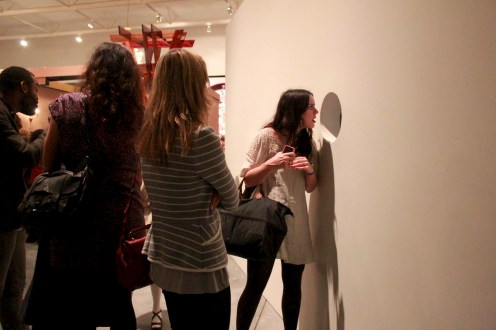
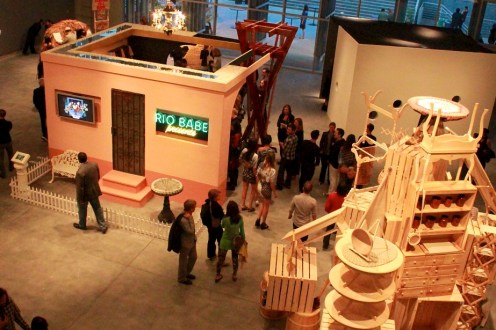
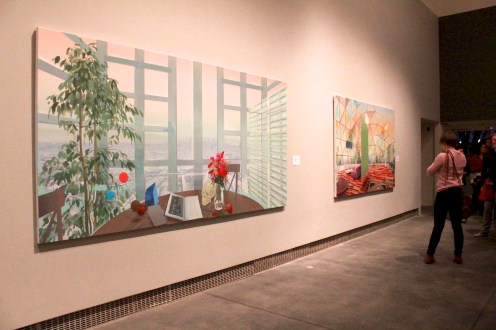
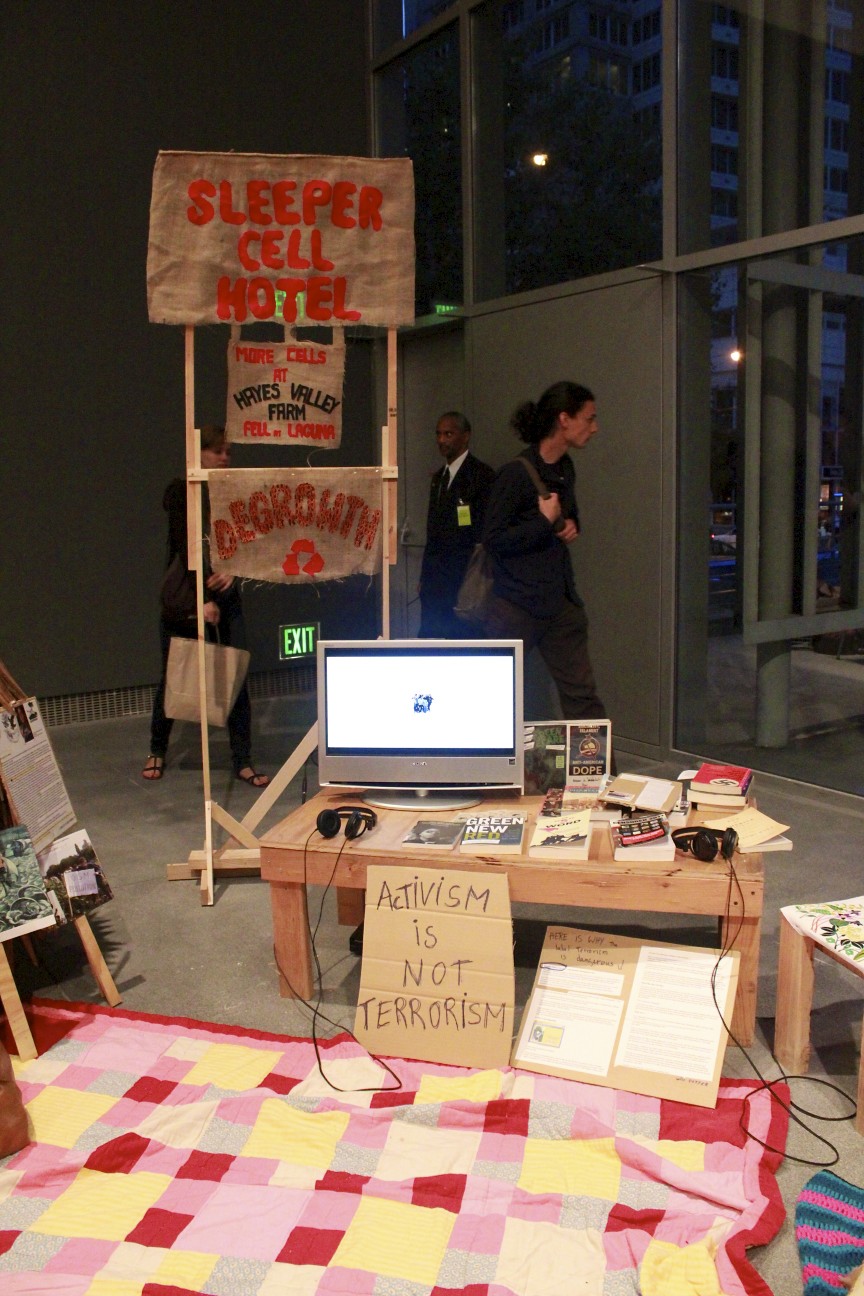
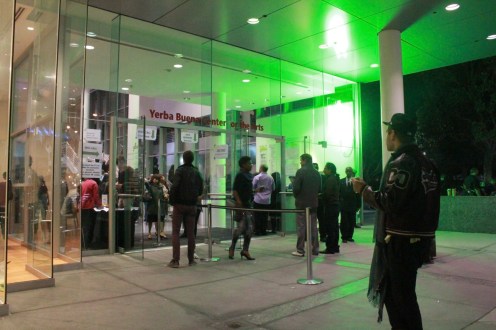
I wanted to get some pictures up of BAN6’s Visual Arts Exhibition opening as soon as possible. With this much art and in such a large space, BAN 6 deserves repeat visits! I’ve been a huge fan of Yerba Buena Center for the Arts for a long time so I highly recommend a visit, especially for BAN6. I’m returning to YBCA in the next couple of weeks so I can be intimate with the art (no, not like that, people). Geez. Seriously, folks, I’ll post more photos from the opening soon and a write-up is forthcoming. For those of you who were unable to make the Visual Arts Exhibition opening, you can check out the art during gallery hours.
Please visit the YBCA site by clicking here for more information.
¶¶¶¶¶
¶¶¶¶¶
¶¶¶¶¶
¶¶¶¶¶
¶¶¶¶¶
Would you like to make your own word cloud? Click on the image above or here and be creative!! Enjoy!
¶¶¶¶¶
¶¶¶¶¶
¶¶¶¶¶
¶¶¶¶¶
¶¶¶¶¶
Recently, the Hubble Ultra-Deep Field imaging system unveiled the deepest portrait of the visible universe ever achieved by humankind, that reveals the first light from 13.5 billion years ago. The exposure lasted for eleven and a half days and is the as far back as the human eye has seen to the origins of the universe.
Collapse, Antonucci’s first solo show, addresses these awe-inspiring galactic portraits in a purist vocabulary imbued by the hand of the artist. With the topic of the photographic universe at the forefront of scientific observation and contemporary art making, this body of work seeks to re-contextualize Hubble’s image through an opaque lens, so as to re-negotiate the romantic notions of the viewer and subject matter itself. As an image presenting truth, the Hubble Ultra-Deep still evokes an undeniable mysticism, sense of wonder, and romance. In this investigation, Antonucci pays homage to the beauty held within the visual landscape of the cosmos while extracting a veritas all his own.
Antonucci received his MFA from the San Francisco Art Institute in May of 2010. During 2009 he completed a residency exploring video and printmaking in Berlin. His self-made book inspired by the Hubble Ulta-Deep Field images, First Light, was published this year by Conveyor Arts. Currently Antonucci is occupying a printmaking residency at the Kala Art Institute in Berkeley and he resides in San Francisco.
~ Press release from Wire and Nail Gallery Site
To learn more about Luca Nino Antonucci and his work, please click on the exhibition image above or click here.
¶¶¶¶¶
¶¶¶¶¶
¶¶¶¶¶
¶¶¶¶¶
Get your tickets for BAN 6: Visual Arts Exhibition at the Yerba Buena Center for the Arts. It will be fun, engaging, educational, and there will be lots of people with smart and interesting things to say. Amazing artists will be showing their phenomenal work. Spread the word, support Bay Area artists and a great arts organization!!
¶¶¶¶¶
¶¶¶¶¶
¶¶¶¶¶
¶¶¶¶¶
¶¶¶¶¶

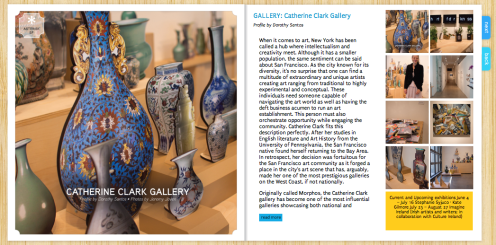
When it comes to art, New York has been called a hub where intellectualism and creativity meet. Although it has a smaller population, the same sentiment can be said about San Francisco. As the city known for its diversity, its no surprise that one can find a multitude of extraordinary and unique artists creating art ranging from traditional to highly experimental and conceptual. These individuals need someone capable of navigating the art world as well as having the deft business acumen to run an art establishment. This person must also orchestrate opportunity while engaging the community. Catherine Clark fits this description perfectly. After her studies in English literature and Art History from the University of Pennsylvania, the San Francisco native found herself returning to the Bay Area. In retrospect, her decision was fortuitous for the San Francisco art community as it forged a place in the city’s art scene that has, arguably, made her one of the most prestigious galleries on the West Coast, if not nationally.
Originally called Morphos, the Catherine Clark gallery has become one of the most influential galleries showcasing both national and international artists. Her gallery began in Hayes Valley in the early 1990s, subsequently moving to 49 Geary in April 1995 and moving in 2007 to 150 Minna Street, her currect space. The 2,500 square feet ground floor space with two large galleries is a neighbor to the San Francisco Museum of Modern of Art (SFMOMA). The gallery includes a dedicated media room that is uncommon to most gallery spaces in San Francisco. In recent years, she established a pop-up exhibition space in a residential apartment in New York’s Chelsea district on West 14th Street for her East Coast clientele. It has been said that Clark injected a bit of New York onto Minna Street. Yet, she wholly believes that San Francisco has a tremendous art community and notes regionalism exists in all places. In order to defy such insularity, exposure depends upon creating and building a community that can execute on a national and global scale.Alongside utilizing technology to gain a broader audience, local art fairs allow the community become much more involved. For this reason, San Francisco is rife with potential and ready to be seen as a place for cultural exchange. Clark asserts, “We have a lot of the ingredients already in place that make for a vibrant art scene…We could use more press for the art scene that reaches a national or international audience so that our assets are not just enjoyed and understood by the locals”. To further prove this point, Clark represents a myriad of individuals, many of them local, whose work she defines as content-driven, which certainly commands attention.
Clark strives to have her artists’ work and the content of these shows move past the opening night and outside of the space itself. Her hope is for the work to reach a wide range of patrons and art lovers. Exposure beyond a city’s limits is imperative to the success of any gallery. However, the foundation that nurtures and binds her gallery relies heavily on her intuition and a profound connection to her artists and their practices. Currently, she represents 25 artists. Although each has a unique story, the process of representing an artist entails her response to the work with an invested and serious commitment to their growth and development. In conjunction with the exhibitions, the new media program compliment the overall exhibitions. Large art institutions often notice the work Clark exhibits. “I have also been encouraged by how SFMOMA has taken more of an interest in artists working in this region. The recent Shadowshop project by Stephanie Syjuco is a great example of what I am speaking of relative to that museum”, Clark affirms. Some of the most notable artists in her program include Al Farrow, Travis Somerville, Sandow Birk, Stephanie Syjuco, Packard Jennings, Carlos and Jason Sanchez (Sanchez Brothers), Jonathan Solo amongst other talented artists.
Current and Upcoming Exhibitions
June 4 – July 16
Stephanie Syjuco
Media Room: Kate Gilmore
July 23 – August 27
Imagine Ireland (Irish artists and writers; in collaboration with Culture Ireland)
September 3 – October 29
Julie Heffernan
Media Room: Nick and Sheila Pye
November 5 – December 23
Ray Beldner
Media Room: Ed Osborn
Please click here to learn more about the Catherine Clark Gallery.
Published to Asterisk SF Magazine.
¶¶¶¶¶
¶¶¶¶¶
¶¶¶¶¶
¶¶¶¶¶
¶¶¶¶¶

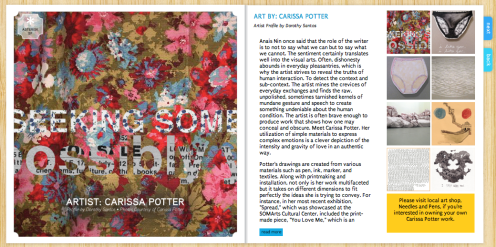
Anais Nin once said that the role of the writer is to not to say what we can but to say what we cannot. The sentiment certainly translates well into the visual arts. Often, dishonesty abounds in everyday pleasantries, which is why the artist strives to reveal the truths of human interaction. To detect the context and sub-context. The artist mines the crevices of everyday exchanges and finds the raw, unpolished, sometimes tarnished, kernels of mundane gesture and speech to create something undeniable about the human condition. The artist is often brave enough to produce work that shows what one may conceal and obscure. Meet Carissa Potter. Her utilization of simple materials to express complex emotions is a clever depiction of the intensity and gravity of love in an authentic way.
Potter’s drawings are created from various materials such as pen, ink, marker, and textiles. Using techniques such as printmaking and installation, Potter’s multi-faceted work takes on dimensions that fit the ideas she is trying to convey. At the SOMArts Cultural Center’s Spread group exhibition earlier this year, she included a print piece, “You Love Me”. The work consists of an accordion folded paper piece that declares the words, “You love me” followed by images of commonly liked things (i.e., ice cream, sweaters, Harrison Ford, and unicorns, to name a few). Potter’s use of everyday objects in her art creates a strong bond and connection with her viewer.
At first glance, Potter’s drawings and sketches seem simple and straightforward. There’s an accessibility and resonance to the work. Her fondness for turning the multitude of everyday actions and thoughts into fine art has a tremendous effect on what the viewer is willing to experience and how they will do that. People understand authenticity. Love, loss, frustration, anger, happiness, sadness, and elation are all emotions people can correlate to their own experiences. In Potter’s work, there is something for everyone regardless of whatever culture, sub-culture or ethnicity someone identifies with. There is something about the individual viewer in the work.
Although some of the works may produce feelings of uneasiness or conjure one’s insecurities and fears, they give the viewer permission to engage, feel, and re-act. For individuals that crave art that is witty and complex, yet simple and straightforward, Carissa Potter is the artist to view. With bits of humor nestled between the lines of images and text, one is welcome to simply enjoy the quips. The intention of the artist is also left to the viewer. Whether the art is a cathartic expression or musings on unanswered questions of lost love, the artist welcomes whatever perception and understanding you have of what you see. Another aspect of her work deconstructs the moments we may forbid ourselves to experience or reactions to situations that we may normally suppress. One may ask, seeing a chronicle of the artist’s depictions and understandings of love and loss, what makes this art and why pay attention? Without question, Potter braves the impervious layers of life, dusts off all the fossilized sentiments, desires, and angst and hits directly upon the nerves that force the observer to beautifully collide the past with the present and future.
Please click here to view Carissa Potter’s work.
Published to Asterisk SF Magazine.
¶¶¶¶¶
¶¶¶¶¶
¶¶¶¶¶
¶¶¶¶¶
¶¶¶¶¶
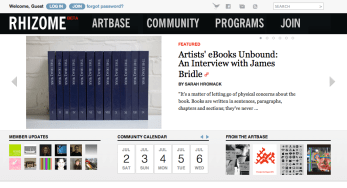
Rhizome is dedicated to the creation, presentation, preservation, and critique of emerging artistic practices that engage technology. Through open platforms for exchange and collaboration, our website serves to encourage and expand the communities around these practices. Our programs, many of which happen online, include commissions, exhibitions, events, discussion, archives and portfolios. We support artists working at the furthest reaches of technological experimentation as well as those responding to the broader aesthetic and political implications of new tools and media. Our organizational voice draws attention to artists, their work, their perspectives and the complex interrelationships between technology, art and culture.
~ Rhizome Mission Statement, which can be found on their website
¶¶¶¶¶
¶¶¶¶¶
¶¶¶¶¶
¶¶¶¶¶
¶¶¶¶¶
¶¶¶¶¶
¶¶¶¶¶
¶¶¶¶¶
¶¶¶¶¶
What is it about the construction of the human mind that makes the interplay of words and images seem, despite innumerable historical and regional variations, to be something like a cultural universal?
~ W.J.T. Mitchell, Word and Image essay from Critical Terms for Art History
At the moment, I’m taking a Voice and Vision class at the San Francisco Art Institute through the Continuing Education program. We’re learning how to incorporate text and words within our work. It’s pretty difficult to make something that looks effortless and not contrived. Well, for me, this is the case. Seriously.
One of my favorite artists is Travis Somerville. We study his work quite a bit. I’m absolutely enamored by his technical skills and concepts. I had the opportunity to meet and talk to him early this year. What a night but I digress. Looking at his work, a lot of what he does is convey his understanding and experiences of the South and its history and culture. Still, you can’t fight the feeling of wanting to do what you think people want to see. He doesn’t do that. He just produces and it’s always some of the amazing stuff I’ve ever seen. Yes, I am an art writer but making art helps me understand the creative process. Overall, the class has been enlightening and rewarding. I’m one of those artists that can’t escape words and I’m starting to accept that fact. I’ve got more of an illustrative style and THAT is okay.
¶¶¶¶¶
¶¶¶¶¶
¶¶¶¶¶
¶¶¶¶¶
¶¶¶¶¶