
-
¶¶¶¶¶
¶¶¶¶¶
¶¶¶¶¶
¶¶¶¶¶
¶¶¶¶¶
-
¶¶¶¶¶
¶¶¶¶¶
¶¶¶¶¶
¶¶¶¶¶
¶¶¶¶¶
-

Paul Kos, Le Petanque, Petanque terrain, galvanized metal sign, gravel, wood, and 12 steel balls, 30'x10', 2011 An artist goes in and out of shape. And by that I mean, very similar to being an athlete. When an athlete’s in shape, every movement that they do comes intuitively. In art, when you’re in shape, ideas are coming faster than you have time to make them. Being in shape is really being able to see accidents. Accidents are much more interesting than that which we can contrive while sitting at a desk. But if you’re not in shape, you don’t even see it happen and when you are, there are accidents all around, publicly, everyday, that are wonderful to take advantage of. ~Paul Kos
Walking into SOMArts Cultural Center’s main gallery during opening night of the Spread exhibition and seeing a game of Petanque being played by what seemed to be expert players as well as a few patrons piqued my interest immediately. Let’s face it, if people respond to anything, they respond to games (or loud noises). Never having played Petanque, there was a fair bit of trepidation in asking how the game was played. The court itself took up one side of the gallery with curious bystanders who felt the same. Continuing to watch the game play, I was trying to figure out the deeper meaning. Did it have to mean something (specific)? Anything other than what is was? Slowly making my way around the court, there was a dark room from which one could view a video. The video presentation on loop was of a boat that looked as if it were sinking but floating but sinking simultaneously. As you watch this boat at sea, you can’t help but think, “This boat is sinking but it’s not but it will but the man in it is leisurely basking in the sun but…huh?”
If you’re not into conceptual art, you’re probably asking yourself, “Is this really art?” Seriously now? My answer: Yes. Yes it is and it’s rather clever. You gotta do a little bit of thinking, I know, I know. Hard right with all these other things on your mind and all these things going on in your life but if you’re open to non-traditional materials and a sense of humor, you will be enamored with vanguard artist Paul Kos and his selected artist for the Spread show, Julien Berthier.

Julien Berthier, Love Love, Single Channel video with sound, 2007 Love-love is the permanent and mobile image of a wrecked ship that has become a functional and safe leisure object. ~ Julien Berthier
Paul Kos‘s, Le Petanque, and Julien Berthier‘s, Love-Love, look at life through metaphor. Experiencing their work is not too dissimilar from solving a riddle. These artists also assume you’re intelligent. There’s a fair bit of critical thinking involved. Although comical, at first, there is something deep seeded in the presentation of their work. Kos and Berthier’s ideas can’t really be described in words due to their monumental and grandiose nature. It’s as if Kos woke up one day and wondered what it would be like play Petanque in a gallery, which is probably much more engaging than what’s actually being discussed while patrons are walking around. Berthier also engages in changing the viewer’s perceptions and experiences by altering the audience’s visual landscape and creating something completely illusory, on purpose. Not to be ironic either. Both artists examine concepts and ideas in our cultures and create images and physical interactions that elicit the viewer’s understanding of our perpetual nature towards absurd behavior.
¶¶¶¶¶
¶¶¶¶¶
¶¶¶¶¶
¶¶¶¶¶
-

Sharon Grace, Balls to the Wall, Single channel with sound, 2008 Spread is currently showing at the SOMArts Cultural Center. The posts to follow are first impressions and reflections about each pair of artists in the exhibition.
* * * *
An artist’s work is almost always derived from a mentor’s guidance or influence. An integral part of the professor’s role is to push the student to their limits; to test the student’s mental agility, intellectual stamina, and help nascent ideas bud into something greater than the student ever imagined. In the exhibition, Spread: California Conceptualism – Then & Now, the viewer sees five pairings – a vanguard artist and their student. Such an exhibition reminds the audience that each artist carries on the legacy of their teacher (even if their path is divergent).
While Sharon Grace’s single channel video of marbles bouncing off a hardwood floor while an individual in high heels walks ever so slowly across a wood floor; Carissa Potter’s work, I’m Attracted to You, is on the other side of the wall. Although both artists utilize different mediums, the commonality is their perspective on human interaction and behavior. Relationships between people and things is prevalent in their works. Even with Grace’s time based media, you interact with it the way you want, which is not too dissimilar to Potter’s work. There doesn’t seem to be an obligation to dig deep to find a particular meaning. You’re given a concept or idea of something (an experience) and you take it for what it is in a moment.
The key difference is the use of language as a device. Words are much more rampant in Potter’s work. Much of the complex ideas riddled within our minds are laid in a combination of text and images. Grace’s work, on the other hand, in particular, for the show, barely includes any text until you look at the deconstructed drawing of the box that holds a heap of marbles. In researching Grace’s work, language is verbally expressed versus written. Either way, the pairing, at first, may seem a bit enigmatic but if you watch and read, keep in mind your behavior and responses to the works.
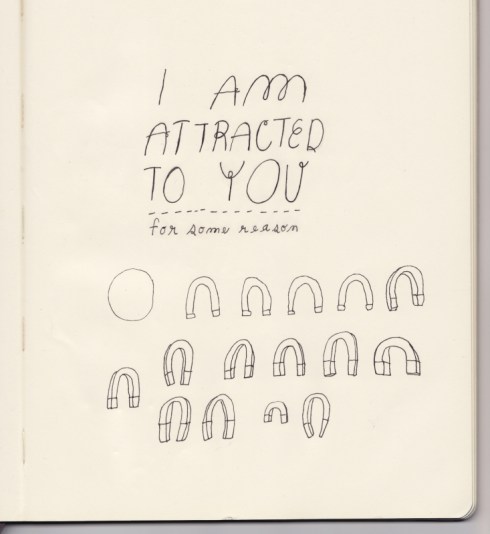
Carissa Potter, I ¶¶¶¶¶
¶¶¶¶¶
¶¶¶¶¶
¶¶¶¶¶
-
Artist and writer, Christine Wong Yap, has written a great op-ed piece for New America Media. Extremely important, telling of the cultural and political climate in China, and beautifully written. Please read and share!
¶¶¶¶¶
¶¶¶¶¶
¶¶¶¶¶
¶¶¶¶¶
-
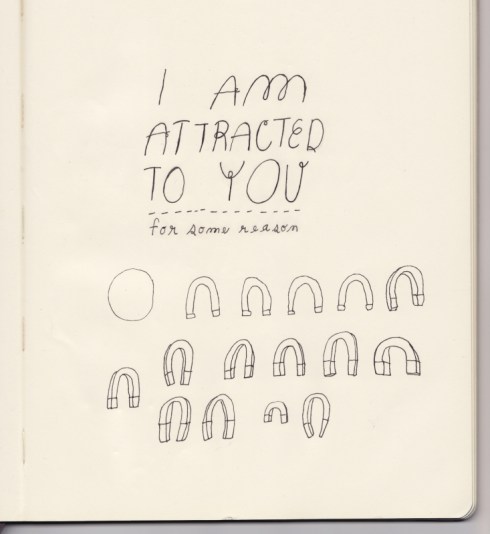
Carissa Potter, I'm Attracted to You, Mixed media installation, 2011 ¶¶¶¶¶
¶¶¶¶¶
¶¶¶¶¶
¶¶¶¶¶
-
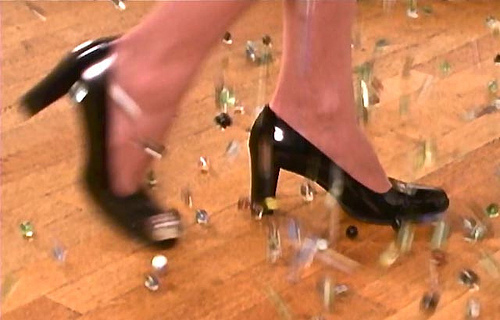
Sharon Grace, Balls to the Wall, Single channel video with sound, 2008 ¶¶¶¶¶
¶¶¶¶¶
¶¶¶¶¶
¶¶¶¶¶
-
Conceptual art was always dialectical, being made in response to both its institutional and its political context, attempting often to make these contexts evident and sometimes actually to change them.
~Tony Godfrey, Art Writer/Historian
¶¶¶¶¶
¶¶¶¶¶
¶¶¶¶¶
¶¶¶¶¶
-
Conceptual Art, to be specific.
After attending the opening night for the Spread exhibition, which is currently showing at the SOMArts Cultural Center (San Francisco, CA), I’ve been thinking quite a bit about conceptual art. I’ve been asking myself why I enjoy it so much.
Conceptual work makes sense of the world. With all its antics, it’s a movement that evolves, grows rapidly, and is reflective of the times.
Some may see conceptual art as rebellion and departure from tradition, which, for some, ceases to be art. With its lack of representational images functioning as the device from which to begin understanding, conceptual work is an extrapolation on complex ideas and in many cases, the viewer is required to participate in some aspect of the work. There’s a particular type of engagement that gives conceptual art its pulse. From our perception of sound to notions of politics and society to the human condition, conceptual art has something for everyone. Yes, I’m serious. It really does.
Over the next few days (maybe week, it really depends), I will be taking a look at the Spread show much more closely and spending a bit more time fleshing out the relationships between the artists and the works and how the vanguard artists are viewing their legacy in a new generation of conceptual artists.
More to follow…
¶¶¶¶¶
¶¶¶¶¶
¶¶¶¶¶
¶¶¶¶¶
¶¶¶¶¶
-
In a society like ours that is accustomed to telecommunications and electronics that produce more and more positive services but also the passivity of the solitary user, community strategy has become a different way of living in the quantitative space of the city; it produces energy but also solitude, aggressivity [sic] and violence.
~Achille Bonito Oliva
¶¶¶¶¶
¶¶¶¶¶
¶¶¶¶¶
¶¶¶¶¶
¶¶¶¶¶
writer | artist | scholar




 Dorothy R. Santos, Ph.D.