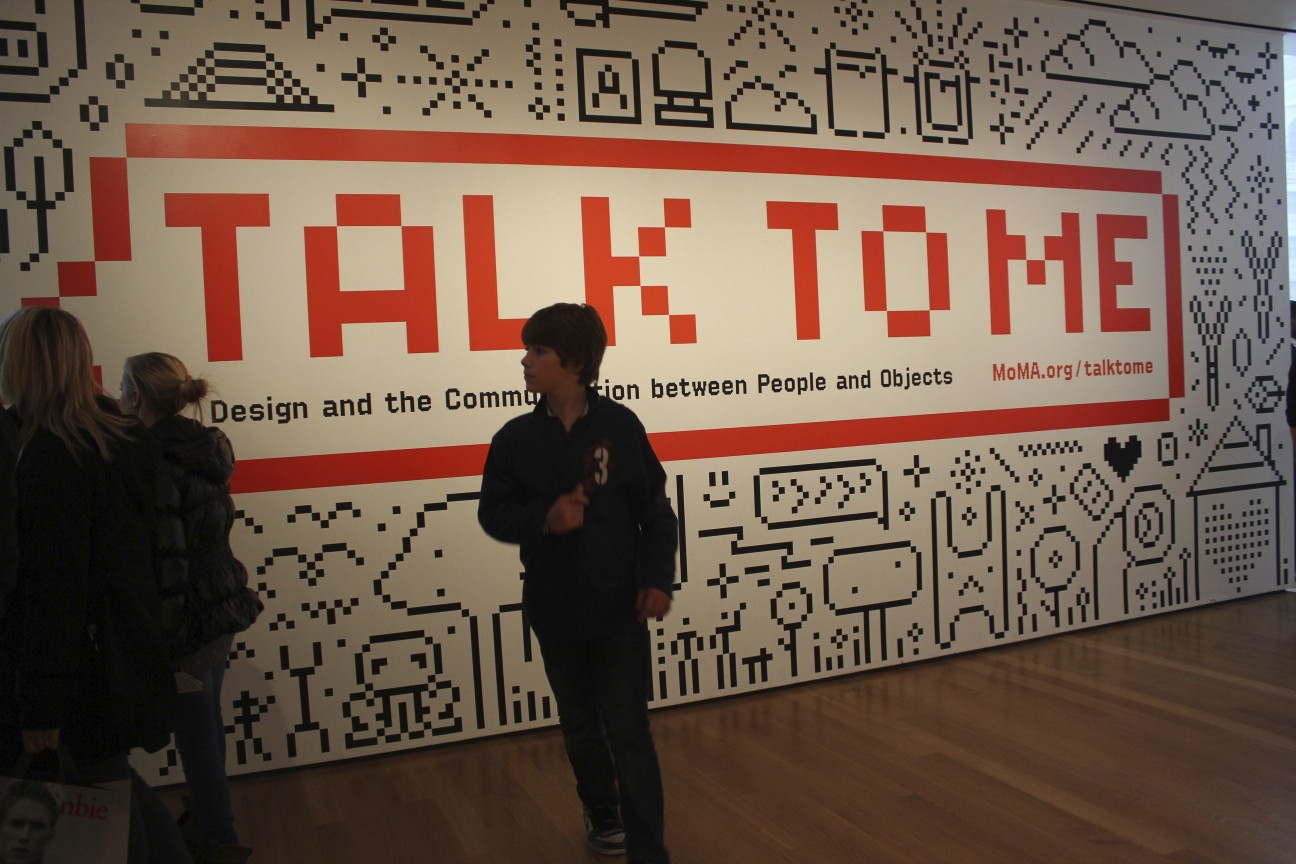
• Talk to Me: The Design and Communication between People and Objects

    An incredible exhibition of new media and interactive art at the New York Museum of Modern Art. I took an insane amount of photos but wanted to share the pieces that stood out. All of the works were impressive but this would be a ridiculously long post. Please feel free to comment and/or ask questions start a dialogue. Enjoy!!!
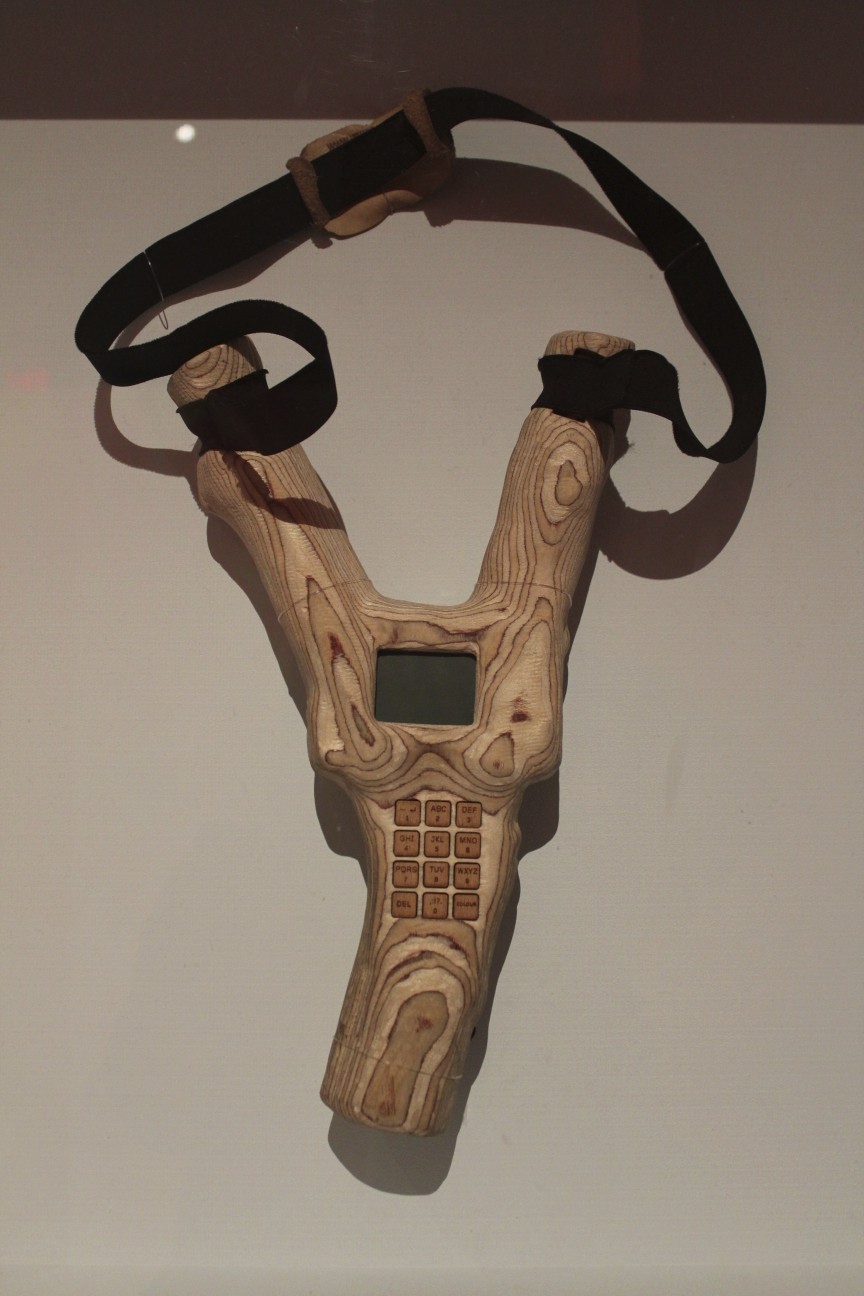
    SMSlingshot, 2009 ~ Team: Christian Zollner, Patrick Tobias Fischer, Thilo Hoffmann, Sebastian Piatza, and VR/Urban

    SMSlingshot was made from the following: high-frequency radio, Arduino board, laser, batteries, plywood, and ash wood. The SMSlingshot marries a traditional weapon with text-messaging technology, projecting digital information onto building facades and other surfaces and turning them into public screens. The battery-powered device is a wooden slingshot with a display screen, keypad, and laser. Users type text messages and then release the slingshot to “blast” them onto nearby surfaces, where they appear within a splash of color and linger as long as the writers decide: at the same instant, the text is transmitted globally via Twitter. For the designers, the SMSlingshot is a tool for reclaiming and occupying increasingly commercialized urban space.

    ~ Text Source: New York MoMA Exhibition Plaque text
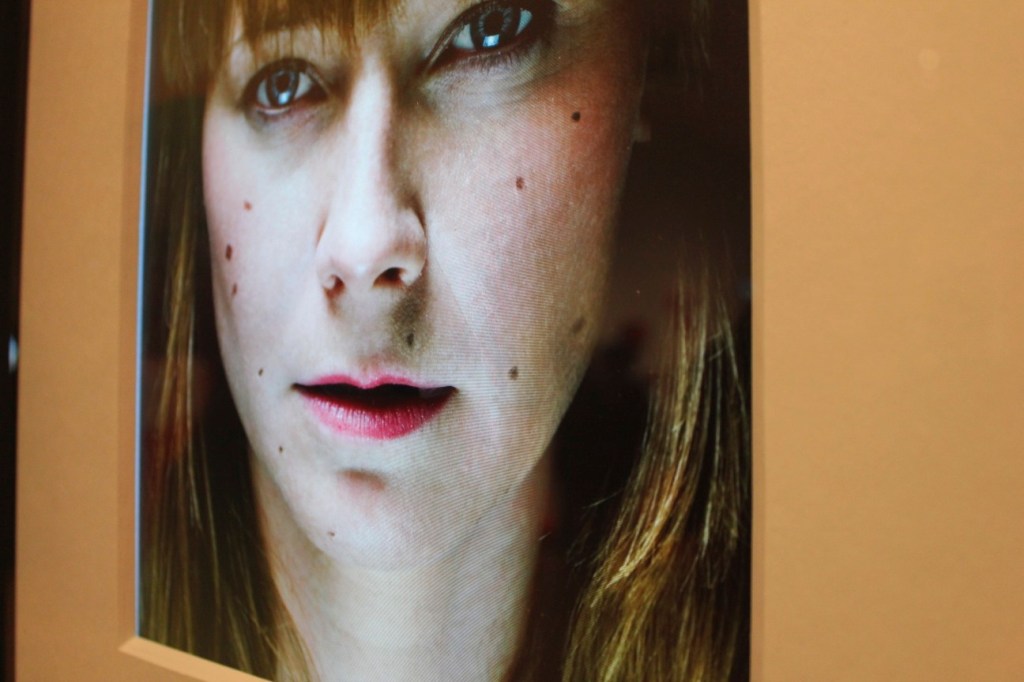
    Engaging work by Jaakko Tuomivaara

    Hide & See by artist, Jaakko Tuomivaara

    A constantly ringing phone doesn’t delight anyone – especially when you have guests around. A discreet cue showing incoming calls and their relative importance gives you the chance to ignore anything that can wait and make your excuses when something can’t.

    Every call shows up as a dot, with the red dots around the lips reserved for important numbers. This way the owner of the piece can quickly decode both the number and relative importance of the calls.

    ~ Text Source: Artist Site (Please click on the image above to learn more about Hide & See and other works by Tuomivaara)
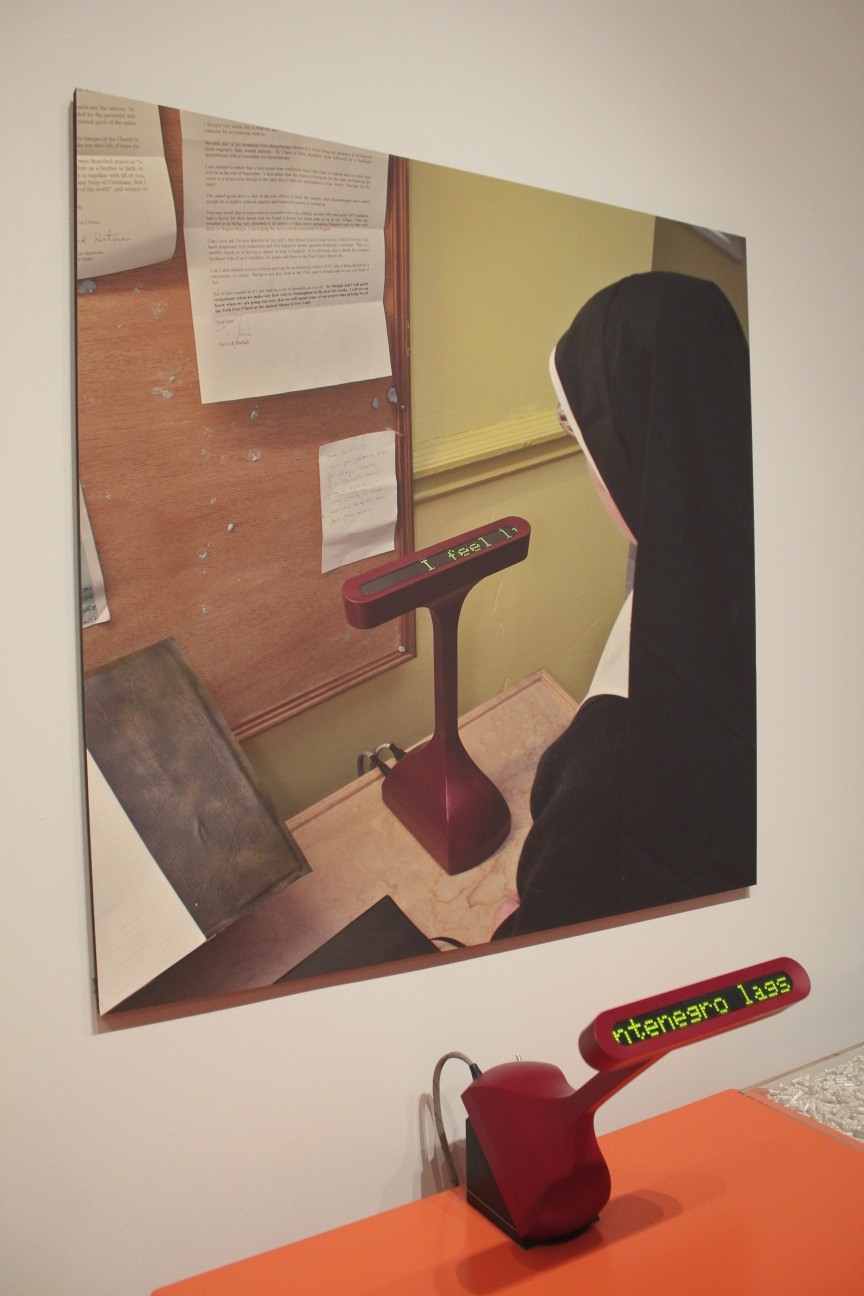
    Growing up Catholic, this piece absolutely intrigued me…

    Prayer Companion (2010) is made from Photopolymer resin, dot-matrix, display, and printed circuit board. The piece was created by Interaction Research Studio at Goldsmiths – University of London.

    Prayer Companion alerts the nine Poor Clare nuns cloistered at a monastery in York, England, to issues that need their prayers. The nuns, whose everyday lives have changed little since medieval times, take vows of enclosure, and presently their connections to the outside world are occasional and limited. Designed to be understated and unobtrusive, the Prayer Companion – the nuns call it “Goldie” – sits on a table in a well-traveled hallway, scrolling a ticker tape of current issues sourced from RSS news feeds, social networking sites, and blog entries aggregated by the website We Feel Fine (which compiles the emotions of anonymous strangers who have posted the words “I feel” or “I am feeling”). The nuns report that Prayer Companion “has been valuable in keeping (our) prayers pertinent”.

    ~ Text Source: New York MoMA Exhibition Plaque

    ¶¶¶¶¶

    ¶¶¶¶¶

    ¶¶¶¶¶

    ¶¶¶¶¶

  • It was a real treat to see Tim Roseborough’s work on exhibit in Harlem during my vacation. His latest work, Pan-African, looks at the Pan-Africanism movement through new media. With his rendition and video of controversial song, “Ever Race Has a Flag but The Coon”, and re-contextualization of the song lyrics in Englyph, this intelligent work forces provokes one to ponder the meaning of identity and solidarity.

    Please click on the image above to learn more about Pan-African.

    ¶¶¶¶¶

    ¶¶¶¶¶

    ¶¶¶¶¶

    ¶¶¶¶¶

  • Construction underground brought me closer to New Yorkers and tourists walking through the Metro corridors

    In Imponderabilia (1977, reenacted in 2010) two performers, both completely nude, stand in a doorway. The public must squeeze between them in order to pass, and in doing so choose which one of them to face.

    ~ Source: Wikipedia page for Marina Abramovic

    Walking through the William and Fulton Street Stop in the NYC metro reminded me of Marina Abramovic’s work (minus the nudity, of course). The daily grind, hustle, and bustle of the Metro alone made me think of this wonderfully complex piece on human interaction (or lack of it).

    ¶¶¶¶¶

    ¶¶¶¶¶

    ¶¶¶¶¶

    ¶¶¶¶¶

  • Click on the image above to learn more about Occupy Design ~ Image Source: Occupy Design

    ¶¶¶¶¶

    ¶¶¶¶¶

    ¶¶¶¶¶

    ¶¶¶¶¶

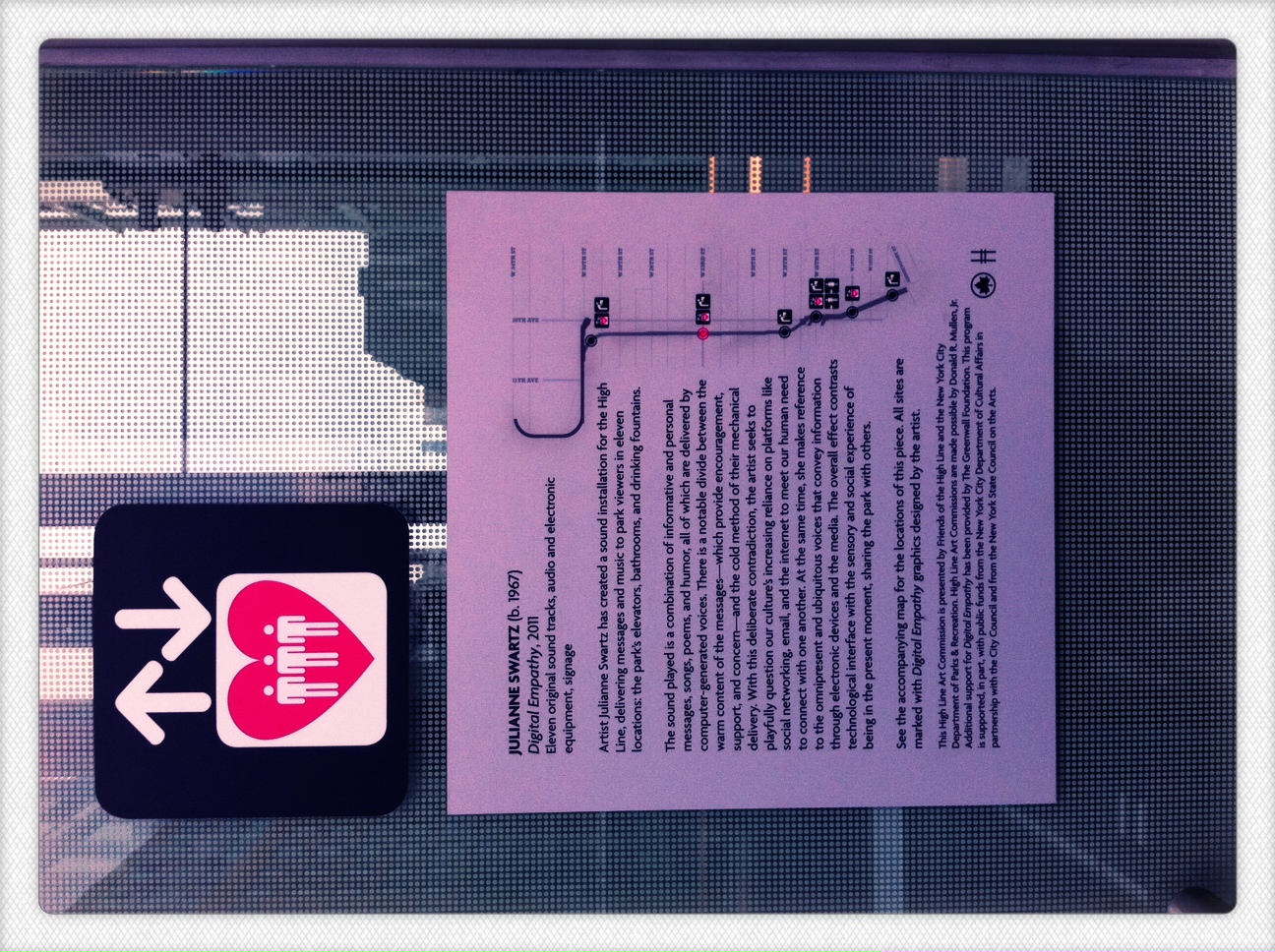
  • Visiting the High Line, which is in Manhattan’s West Side area was a real treat (especially after reading the National Geographic article Miracle Above Manhattan in the March 2011 issue). This beautifully, well designed park brings serenity even to the busiest, fast-moving city dweller. People were having lunch, talking to friends, or pulling out cameras to capture a photo (an infinite amount of possibilities). One can easily spend a day and evening roaming around the High Line alone. It also reminded me of why people flock to New York. The overall design of the High Line is elegant yet captures the city’s personality in such a way where you know the High Line could only exist in Manhattan.

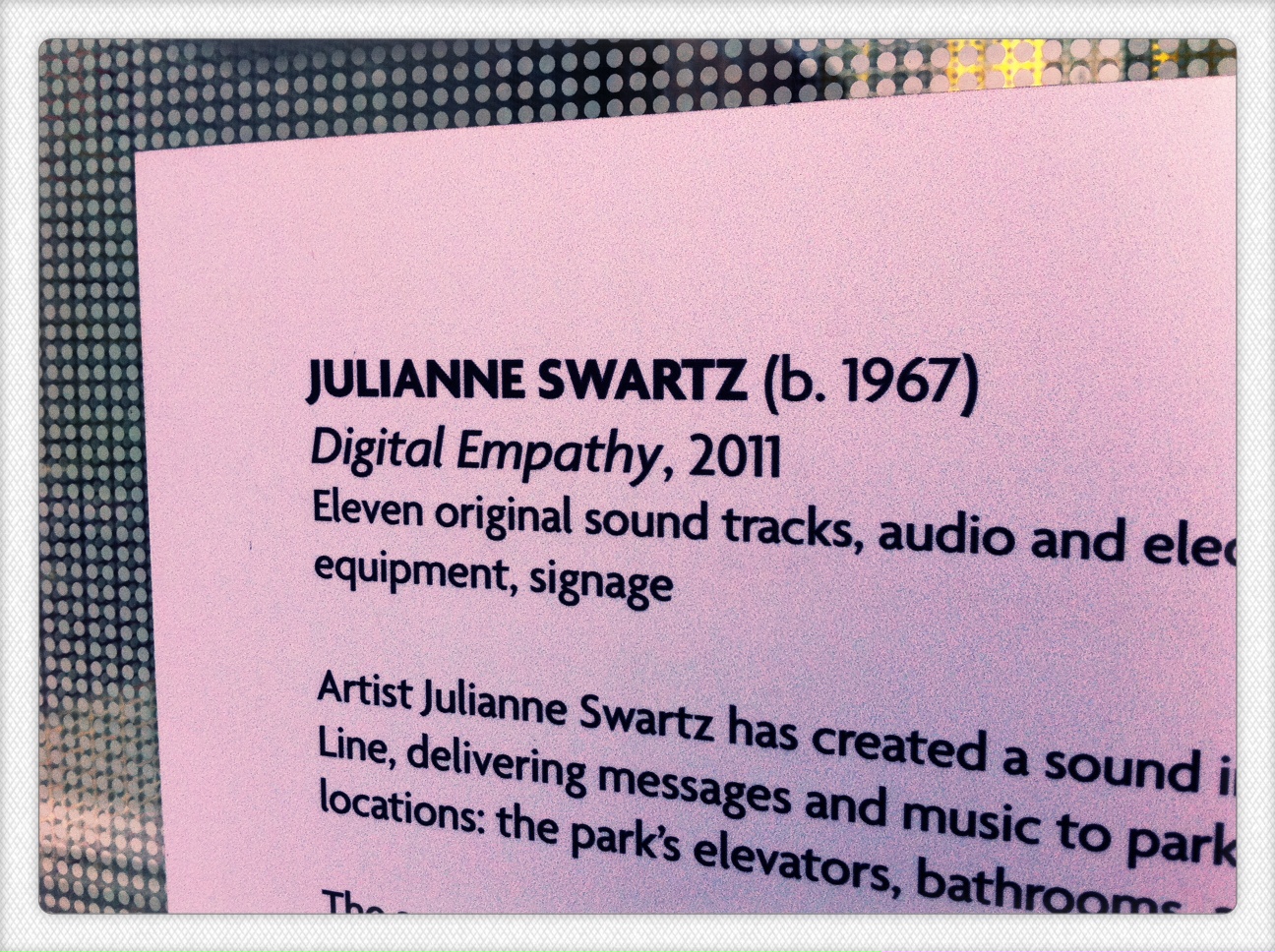
    With a visit to the High Line so early in the trip, it was a thrill that the first physical cue that indicated I was in a completely different environment was installation art by Julianne Swartz. Entering the High Line in the middle, one must take an elevator to the park. Currently, Swartz’s work, Digital Empathy, is a sound piece that involves poems, personal letters, and song lyrics recited by computer-generated voices. At first, walking in the elevator, you hear these intimate messages but the monotone and seemingly cold voice with no inflection makes the message sound eerie and unsettling. After reading the work’s description, I felt compelled to go up and down the High Line looking for the signage to hear a voice and listen. Digital Empathy is a sobering reminder that communication delivered in an unfamiliar way makes us listen carefully and fastidiously. Yet, isn’t that strange, that something unemotional stops and makes our ears and the rest of our senses vigilant? Are the sounds of our own voices not enough? Swartz certainly made me wonder.

    Here’s hoping she showcases work in San Francisco. I would definitely see one of her shows and love to talk to her. Julianne Swartz, if you’re reading this, thanks for reminding me to stop, listen, be curious, and stay human.

    ¶¶¶¶¶

    ¶¶¶¶¶

    ¶¶¶¶¶

    ¶¶¶¶¶

  • Had a great time with friends at the Hotel Stanford off Broadway Avenue! Lively discussion ensued. In particular, a new friend introduced me to Cleverbot. For some of you, I might be ridiculously late. As a surveying student of an Intro to Artificial Intelligence online class, I’m curious and willing to learn new methods utilizing Artificial Intelligence.

    Trying to have a Cleverbot conversation using my iPhone | Please Note: The blue text is Cleverbot. ~ Image Source: Cleverbot

    Below, you will find a screenshot of an early morning dialogue with Cleverbot. Not the most clever but it was entertaining. Trust me, I’ve heard some really unintelligible conversation between human beings! Lastly, just because Cleverbot doesn’t necessarily offer me the answer I want, does it mean it’s unintelligent? Think about it, from a GPS navigation system to Google Translate, artificial intelligence doesn’t always give the answer we’re looking for or hoping for (hope is such a human thing too). So, Artificial Intelligence isn’t so bad I guess? After all, it was developed and created by humans…hmmm.

    Yet another chat with Cleverbot. This time, from my laptop. ~ Image Source: Cleverbot

    ¶¶¶¶¶

    ¶¶¶¶¶

    ¶¶¶¶¶

    ¶¶¶¶¶

  • 20111023-092707.jpg

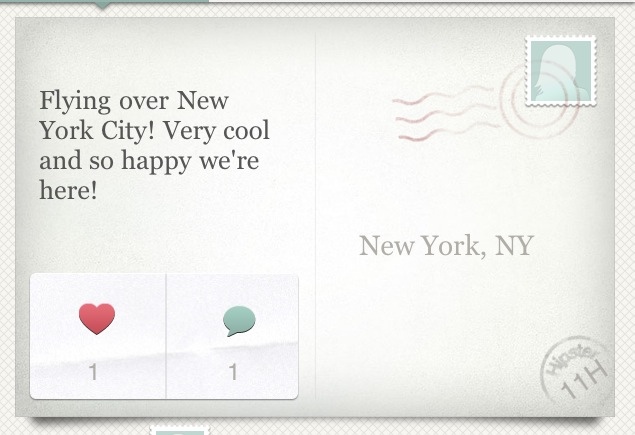
    Although I’m not too particularly fond of the name, iPhone application, Hipster, offers the end user the ability to send postcards virtually. In a matter of seconds, I was able to create a nifty postcard of our descent onto La Guardia Airport! Once you select a photo, you pick your postcard theme, flip the postcard around, write your loved one a message (yes, there’s a character limit), and send! Easy but, unfortunately, you can’t send it unless the person is on Hipster as well. Or, you can publicize it on Facebook for everyone to see. The developers still need to work on making this app a bit more versatile (i.e., the ability to send postcards to friends directly from the phone’s contact list!) and I wish they would change the name. Otherwise, they’re onto something (being that they partnered with Foursquare to make this app happen). Here’s what the back of the postcard looks like…

    20111023-094101.jpg

    ¶¶¶¶¶

    ¶¶¶¶¶

    ¶¶¶¶¶

    ¶¶¶¶¶

    ¶¶¶¶¶

  • Yes, I’m on vacation and still acclimating to time zones. I’m also blogging via my phone, which seems apropo and trying to capture the interesting stuff.

    My first experience of Virgin America was great (and it didn’t hurt – okay, bad joke). I can see why people love flying VA!!

    20111023-064159.jpg

    Red: An Interactive Experience really did engage me. Why? I believe it was due to the humorous caricatures going through the in-flight instructions to the multitude of games. Essentially, the flyer has a choice when it comes to food, entertainment, or even partaking in social metworking via seat-to-seat chat functionality.

    Then again, is this much convenience necessary? Everything available at your fingertips? Yeah, sure (in moderation, of course). Again, more to follow…

    ¶¶¶¶¶

    ¶¶¶¶¶

    ¶¶¶¶¶

    ¶¶¶¶¶

  • Don’t know when I’ll be back again.

    Actually, I do, I’ll be back in San Francisco before Halloween!

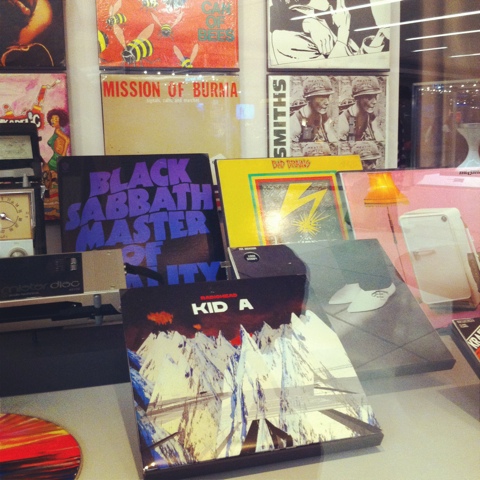
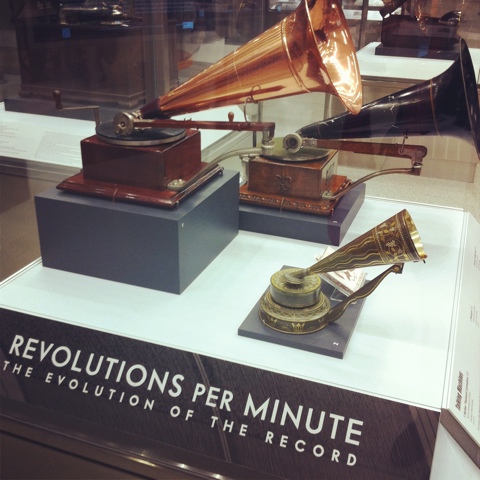
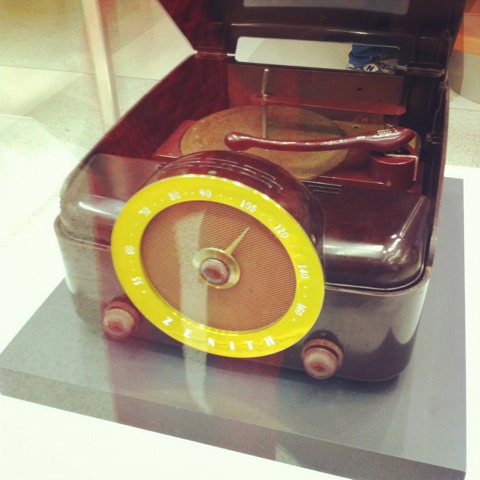
    Anyway, I wanted to catch up on posts amd make sure you were able to check out the current exhibition, Revolutions per Minute: The Evolution of the Record, at SFO near the Virgin America gates. Pretty rad!! Also snapped a photo of some installation art as well. Enjoy and More to follow!!

    20111023-061902.jpg

    20111023-062106.jpg

    20111023-062130.jpg

    20111023-062535.jpg

    20111023-062550.jpg

    20111023-062559.jpg

    20111023-062609.jpg

    20111023-062621.jpg

    ¶¶¶¶¶

    ¶¶¶¶¶

    ¶¶¶¶¶

    ¶¶¶¶¶

  •  

    Art relies on the body as a means to produce. Painting and sculpting are overt examples of the solitary and traditional artist. As the world grows more interconnected through the internet and mobile devices, new media artists are finding ways to incorporate the body as a means of art production. The viewer becomes the participant in the art making. Scott Snibbe takes gesture to an incredible new meaning. From immersive environments to Björk’s latest all app album Biophillia, Snibbe redefines art, technology, interactivity, and connectivity.

    At recent UpgradeSF! meeting, Snibbe gave an artist talk and presented well known works including, Björk’s all app album, Gravilux, and Oscilloscoop. Although the aforementioned are applications meant for mobile devices, Snibbe’s larger installations entail use of the entire body to create works that emphasize articulations of the body to construct unique experiences for each viewer. As Snibbe discussed his philosophy and practice, the presentation brought an interesting quandary. Is the new media artist able to divorce language from their work? With language playing an imperative role in creative coding, is this one of the hurdles new media arts present to the general public regarding the definition and evolution of art?

    Originally published to zero1 blog. Please view post here

    ¶¶¶¶¶

    ¶¶¶¶¶

    ¶¶¶¶¶

    ¶¶¶¶¶