• In Progress: A Place for New Media by Dorothy Santos ~ This Piece is currently Under Construction

    With Adobe’s Museum of Digital Art, Google’s Art Project, and increasing amount of artists presence on the web, the contemporaneous issues facing the art world entail, first and foremost, a lack of definition around what is considered New Media art. With the interfacing of arts and technology within the digital movement, it’s up to artists to evolve alongside the rest of the world and at a much faster rate. With web components to exhibitions to online museums and exhibitions, the real problem lies within how such virtual forums and venues must compete with the ideas and perceptions already ingrained into the collective consciousness around museums, galleries, and art spaces. It’s not only a matter of aesthetics but physical art, historically, has always been untouchable. The advancements in social networking and communication, make for a wide array of possibilities in showcasing and educating the public on art. Yet, with the belief that art is already seemingly untouchable, what happens to the world of the virtual where there is yet another layer of comprehension that must take place in order to understand and experience the art. Many of these philosophical questions will be addressed at the Rewire Conference 2011 scheduled later this year in Liverpool, England. The event caters to artists, technologists, scholars, designers, engineers, and educators from around the world to exchange critical dialogue and practices specific to the arts and technology realm. The conference addresses key topics related to the new media community. Questions regarding issues of documentation and how one writes about new media art from an art history lens are discussed as well. Something more immediate to address these concerns is currently being investigated through virtual spaces and art can such as the online exhibition look art, which is sponsored by arts and technology organization Turbulence.

    ¶¶¶¶¶

    ¶¶¶¶¶

    ¶¶¶¶¶

    ¶¶¶¶¶

  • This slideshow requires JavaScript.

    At dusk, a radiating neon green herbal leaf welcomes visitors to the Yerba Buena Center for the Arts. It serves as one of the first installations a visitor sees when entering the Bay Area Now 6 (aka BAN6) visual arts exhibition. The signage was created by, Bay Area artist and San Francisco Art Institute faculty member, Tony Labat. As a play on the words Yerba Buena and the rich history San Francisco brings to the ongoing political and social debate of medicinal marijuana. Historically, Labat’s work examines social and cultural issues within such a milieu of diverging and opposing opinions.

    Dualing Pianos: Agape Agape in D Minor by Mauricio Ancalmo was one of the noteworthy pieces in BAN6. Ancalmo fastidiously creates the perfect amount of tension, both figuratively and literally. Various technologies coalesce to re-contextualize and re-imagine concepts such as time, placement, and discord. The large kinetic sculpture pushes the viewer’s understanding of new media and technology based work. In many ways, Ancalmo calls upon his viewer to actually listen as well as experience the cyclical nature of synthesis and antithesis.

    Chris Fraser’s light installation, Developing a mutable horizon, plays with the viewer’s sense of space and perception through light refraction and offers an provocative participatory aspect to the spectator. Fraser’s experience as a photographer lends itself well in that the body dictates the light versus the light dictating placement of the body. Another photographer, Sean McFarland, explores the unorthodox nature of darkness within landscape photography and calls into question how the senses grow accustomed to what is not the commonplace. Light plays an incredibly and necessary role in capturing the perfect image. Yet, what happens when that paradigm of photography shifts to capturing that which is shrouded in darkness. How do the eyes see? Do the eyes and the sense of sight truly discern lines and shapes? McFarland challenges our retinal sense by having darkness within the photograph to be what guides the eye and our cognition to comprehending the forms as if there is something more revealing captured in the dark versus in the light.

    Another standout piece was Suzanne Husky’s, Sleeper Cell Hotel. The oval pods constructed from raw lumber accompanied by quilted comforters adorning the interior is a trenchant approach at creating the antithesis of what is commonly known as a sleeper cell – clandestine and secret. Husky’s combination of performance art, functionality, and sculptural fabrications take what is private into the public sphere.

    The show incorporated artists using traditional methods of art making such as Robert Minervini paintings of cityscapes under construction as well as Ben Venom’s quilts but based within a more conceptual framework. Both artists provide anomalous ways in which old technologies are being used to create advancements in the way art is created and experienced. Yet, even with all of the optimism one can muster about the Bay Area art community, the disappointing aspect of the show was the lack of artists working with newer and cutting edge technologies. Granted, there are many organizations showcasing the new wave of technologically based artists and makers but it’s a bit surprising to not see them as well represented in the BAN6 show. The diversity and range ought to make visible and obvious the ways in which the Bay Area differs from other regions versus exhibiting how we are alike. There is a specific voice here that wasn’t particularly shown. Although the selected BAN6 artists embody the broad range of art within the Bay Area, the diversity in technique and method was a bit lacking.

    For more information about BAN6 click here

    Originally posted to zer01 blog, please click here to view.

  • A writing practice requires a reading practice! I attended a Cherrie Moraga workshop the other week and this was one of the many pearls of wisdom she bestowed to participants. I couldn’t agree more. Reading different publications definitely helps me with my writing. Below, you will find some of my favorite print publications (yes, print still exists)…click on the image to visit the magazine’s website and enjoy!

    ¶¶¶¶¶

    ¶¶¶¶¶

    ¶¶¶¶¶

    ¶¶¶¶¶

  • The Mobile Arts Platform (MAP) is comprised of two large-scale, interactive sculptures that are “activated” by a mobile exhibitions program. MAP brings together Peter Foucault’s Fal-Core Van and Chris Treggiari’s Mobile Store and will appear in locations throughout the Bay Area. MAP will create an autonomous exhibition space, an artistic research lab where a cross pollination of mediums and genres can occur, be accessible to the public and create strong bonds with the communities we work with. MAP events will include film screenings, visual art, performance art, live music, culinary art, and will feature local talent. In essence, we will build a temporary, creative microcosm where community and creativity can intersect and flourish. In a world where we are becoming more insular with advanced technologies, our events hope to bring residents together having positive interactions with neighbors, and their neighborhood.
    ~ Taken from the ‘About’ section of the MAP: Mobile Arts Platform site

    ¶¶¶¶¶

    ¶¶¶¶¶

    ¶¶¶¶¶

    ¶¶¶¶¶

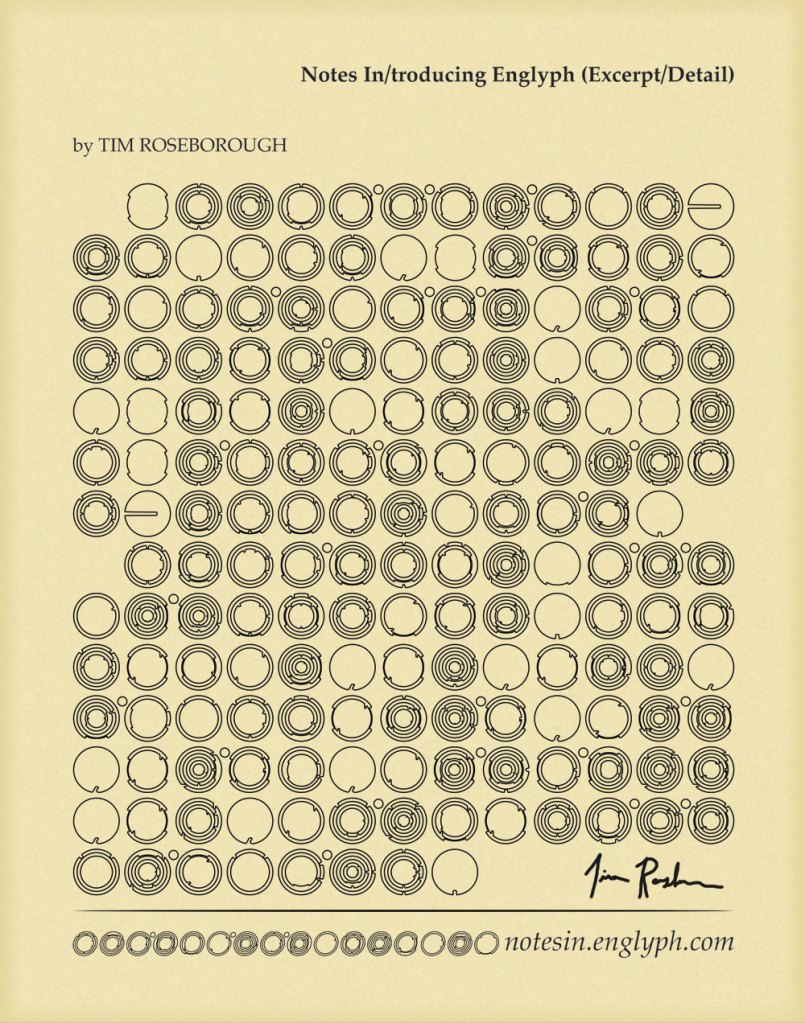
  • Click the image for an introduction to Englyph

    Visualize walking into a restaurant and being handed a menu in a foreign language. Most individuals would request a menu that they could read. For Tim Roseborough, such a menu served as the impetus for his latest work: Notes In/troducing Englyph. Much like the Austrian philosopher Ludwig Wittgenstein, Roseborough examines human perception and understanding of language. Meanings and judgments within language frame our collective understanding and dictate our experience and engagement with one another. From texting to answering e-mail messages to updating a status on a social networking application, many of our activities are text-based and almost automatic. Yet, what does the cognitive process look like when a reader is confronted with an unfamiliar visual language or text? In Notes In/troducing Englyph, print publication plays an integral role in how the message is carried, received, and perceived. In the same vein as Lynda Benglis, Robert Morris, and Dan Graham, Roseborough utilizes the distinct venue of the magazine advertisement to serve as a platform for exhibition and interaction with the public.

    Though Englyph is a logographic language, it is also a text-based art form derived from English. The system taps into a human desire to understand the foreign. The audience visits a web site noted at the bottom right hand corner of the advertisement. Scrolling over the Englyph characters reveals Roman alphabet text. As the interactivity translates into familiar text, the meaning of the Englyph characters becomes a part of an inquiry and possible deductive attempts at de-coding this new visual language. A viewer’s inherent curiosity stems from an inclination to learn the language and is reinforced after the user encounters the English translation, which serves as a reference point. This is key in understanding the concept of Englyph. On a web site or graphics on a blog, all of the images and formatting are created with programming language configured for relatively easy visual perception and understanding. Roseborough eradicates this ease for the viewer. The work is challenging to understand and this is the very reason that its interactive nature plays such an integral role in its comprehensibility.

    Another interesting aspect entails the distinct form and presentation of Notes In/troducing Englyph. Interactive art uses an approach that reverses the act of consumption, and Roseborough requires a bit of work on the viewer’s end. The product, to some degree, is unknown. Rosenborough’s unique venture forces the viewer or reader to question where the art object is actually embedded. Is it in the magazine, the advertisement itself, or in the virtual space where Englyph is translated into English? Unlike the work of his predecessors, Roseborough’s involves active questioning and engagement that supersedes retinal activity. It suggests the beginning of a new wave of text-based art. Instead of using  the magazine advertisement page as a means of tapping into the audience’s retinal sensibility, Roseborough uses Englyph to take this form of exhibition into uncharted territory, where the reader explores or relinquishes the desire to understand images alone.

    Originally posted to Shotgun Reviews on Art Practical, please click here to view.
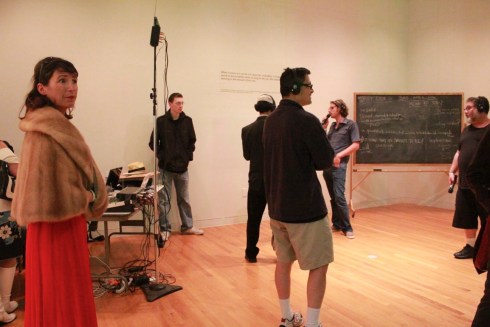
  • Mutiny Radio at BAN6

    Mutiny Radio was a treat at the BAN6 Visual Arts Exhibition opening last Friday. They conducted a live broadcast of the show visitors were able to tune in and listen to on headphones provided (in exchange for your ID). Looking at art as you listened to BAN6 interviews made the experience much more engaging. Thank goodness for Mutiny Radio! Click on the image above or here to learn more about this organization.

    ¶¶¶¶¶

    ¶¶¶¶¶

    ¶¶¶¶¶

    ¶¶¶¶¶

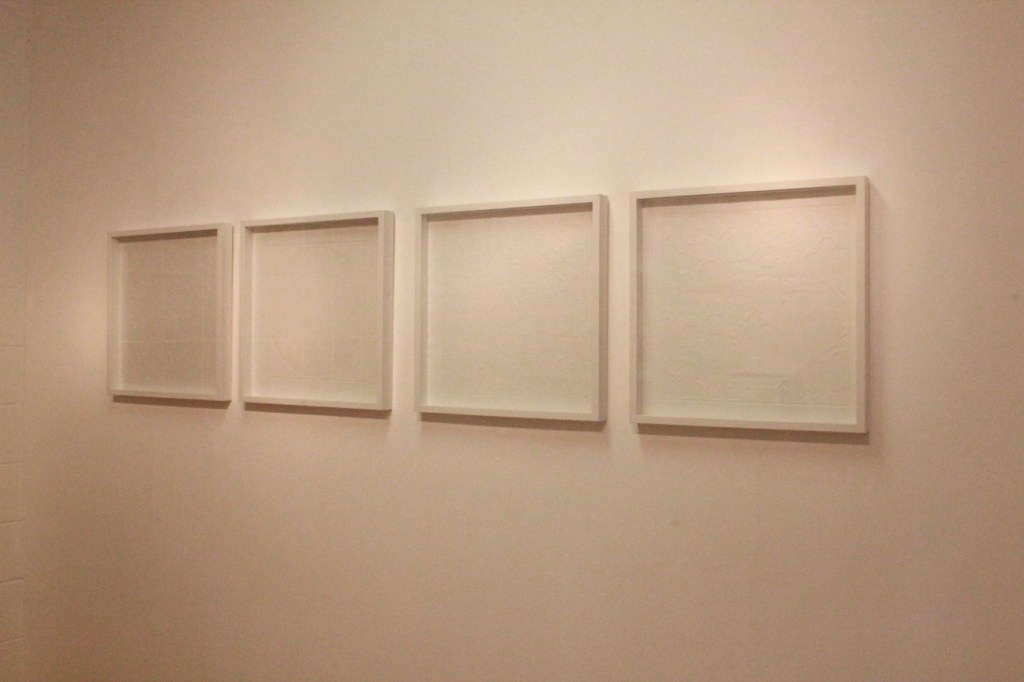
  • I'd love to know what you think it is…

    ¶¶¶¶¶

    ¶¶¶¶¶

    ¶¶¶¶¶

    ¶¶¶¶¶

  • ·

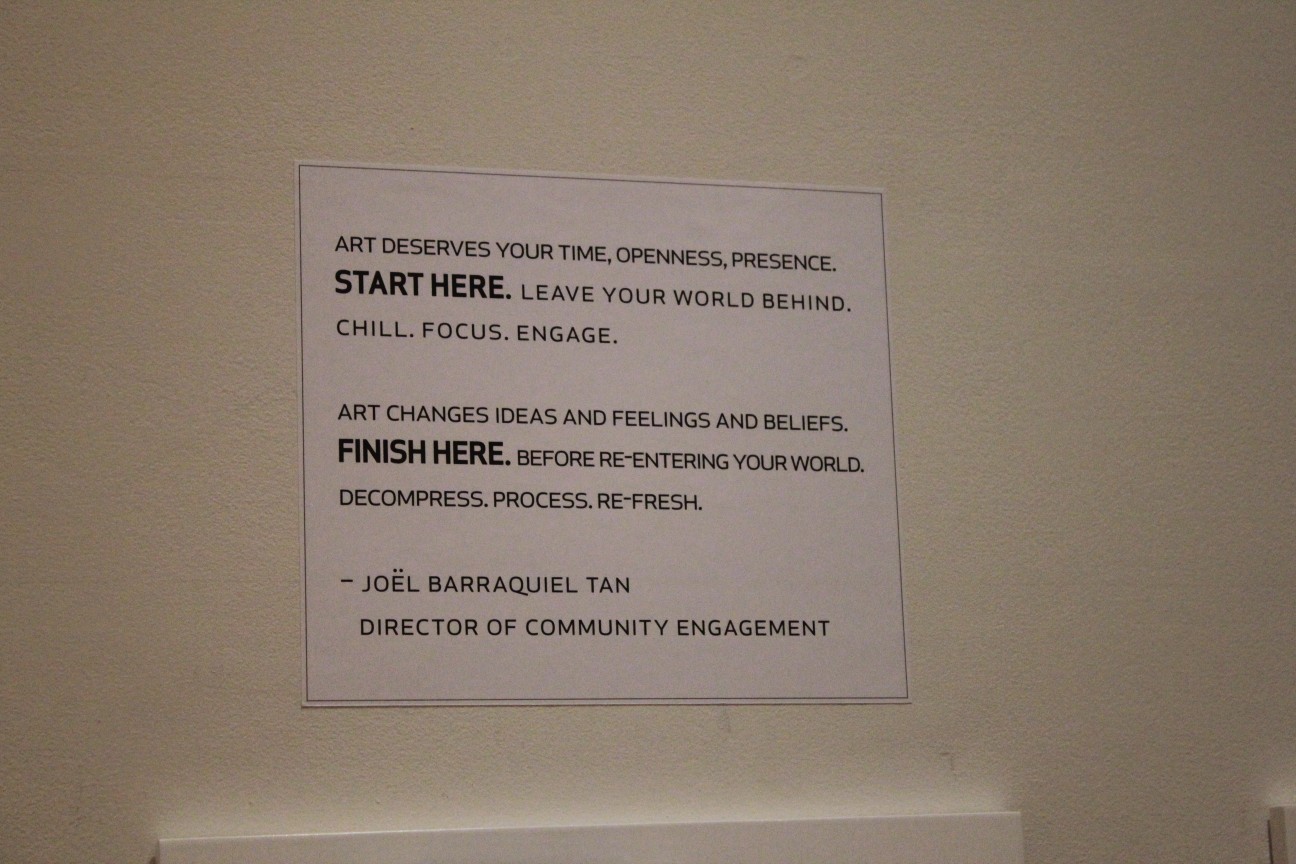
    Start and/or Finish Room of BAN6

    ¶¶¶¶¶

    ¶¶¶¶¶

    ¶¶¶¶¶

    ¶¶¶¶¶

  • As you can tell by the lengthy title, I wanted to touch upon the idea of regionalism (again). I’ll keep this short. Promise.

    I’m an optimist. I’m a believer in appreciating art, artists, and art scenes wherever I am and being respectful. I’ve got a lot of places to go and art to see but one thing I want to say, and I’m talking to the couple that were standing behind me waiting in line to get into BAN6 at Yerba Buena Center for the Arts last Friday. You two were standing there judging people and remarking how poorly dressed they were and complaining how San Francisco is so far behind in fashion and art in comparison to New York.

    News for you people, San Francisco has got approximately 7.4 million people to New York’s 18.9 million people. Yessir, it’s bigger. Statistically, there’s more opportunity to get your hustle on. Los Angeles has got Hollywood. Paris has got the rich tasting food and the romantic language. London is, well, old and steeped in history.

    My point: STOP picking on San Francisco! Oakland!! Berkeley!!! The Bay Area!!!!

    Every place, whether a city, town, or village has got something rich and profound to offer. I really wish people would focus on being in this great city and stop saying “It’s not New York (or LA, or Paris, or London)”. I’ve been to New York and LA and London (not Paris – yet!) and they are amazing cities but San Francisco is NEVER going to be these places and guess what…they’re NEVER going to be San Francisco…thanks for letting me vent. 🙂

    ¶¶¶¶¶

    ¶¶¶¶¶

    ¶¶¶¶¶

    ¶¶¶¶¶