

I don’t get it.
Why is this art?
I can do that.
A kid could do that.
This isn’t art.
Trust me on this one…
writer | artist | scholar

·
I don’t get it.
Why is this art?
I can do that.
A kid could do that.
This isn’t art.
Trust me on this one…
¶¶¶¶¶
¶¶¶¶¶
¶¶¶¶¶
¶¶¶¶¶
¶¶¶¶¶
Conceptual artists do not set out to make a painting or a sculpture and then fit their ideas to that existing form. Instead they think beyond the limits of those traditional media, and then work out their concept or idea in whatever materials and whatever form is appropriate. They were thus giving the concept priority over the traditional media. Hence Conceptual art.
¶¶¶¶¶
¶¶¶¶¶
¶¶¶¶¶
¶¶¶¶¶
¶¶¶¶¶
Few artistic movements are surrounded by so much debate and controversy as conceptual art. For conceptual art has a tendency to provoke intense and perhaps even extreme reactions in its audiences. After all, whilst some people find conceptual art very refreshing and the only kind of art that is relevant to today’s world, many others consider it shocking, distasteful, skill-less, downright bad, or, and most importantly, not art at all. Conceptual art, it seems, is something that we either love or hate.
After attending the Spread opening night exhibition at the SOMArts Cultural Center (San Francisco, CA), there’s a lot of reflection (and reading) I’ve got to do. There’s so much to say!! For your viewing pleasure, I posted a slideshow of some photos I took during the opening. I will, certainly, return with a deeper, lengthier piece (or several posts) on the entire show. Initial reaction: an incredible showcase of established and emerging conceptual artists. The overall conversation between the pieces was present and enthralling. Lastly, amazing use of the space.
Deeper reflections to follow…
¶¶¶¶¶
¶¶¶¶¶
¶¶¶¶¶
¶¶¶¶¶
Are we to paint what’s on the face, what’s inside the face, or what’s behind it? ~Pablo Picasso
Although art, technology and conceptual art are deep seeded passions, I’m a sucker for a great painting. Illustrative and figurative work often straddles between commercial and fine art. Then again, it depends on what the artist is trying to achieve with highly representational and figurative works. Kenney Mencher’s exhibition, Renovated Reputations, currently showing at ArtHaus showcases what a skilled draftsman can create with colorful stories as inspiration. The work is communal, engaging, textural, and fun. Yes, folks, art can be FUN (I’ll get to the serious stuff later, for those interested)!!
Mencher’s work for Reputations is well spun fiction with a vintage feel, and an impressive use of alla prima.
¶¶¶¶¶
¶¶¶¶¶
¶¶¶¶¶
¶¶¶¶¶
¶¶¶¶¶

¶¶¶¶¶
¶¶¶¶¶
¶¶¶¶¶
¶¶¶¶¶
¶¶¶¶¶
My heart is, seriously, fluttering for artist, Barney Haynes! I had the opportunity to meet him and speak with him briefly at the Gray Area Foundation for the Arts this week. I didn’t want to disturb him being that he was working on re-calibrating everything for his work in the Transmutations show but I couldn’t help but be absolutely enthralled. I thought it would be helpful to post a video! Enjoy!
¶¶¶¶¶
¶¶¶¶¶
¶¶¶¶¶
¶¶¶¶¶

¶¶¶¶¶
¶¶¶¶¶
¶¶¶¶¶
¶¶¶¶¶
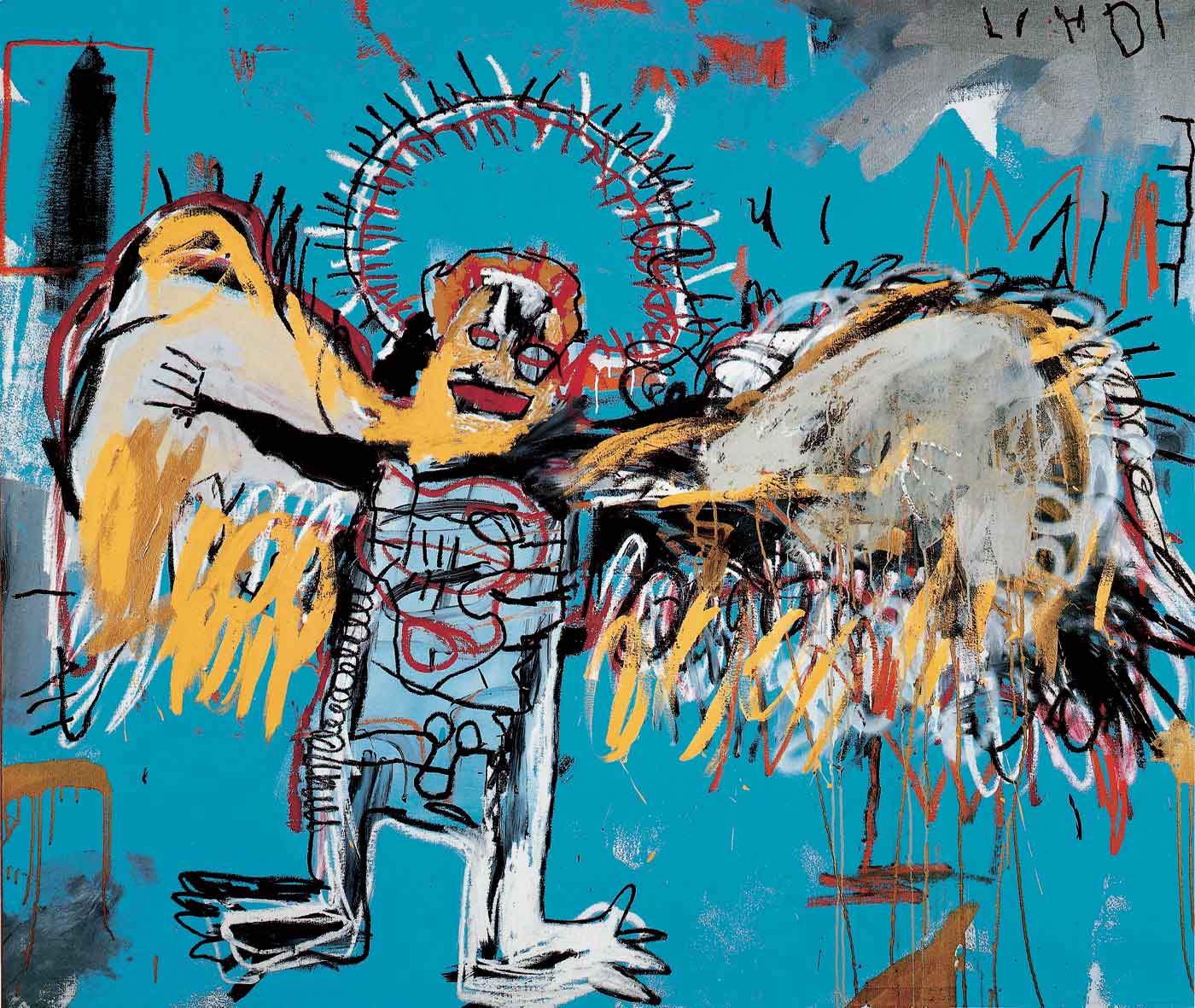
Genius Child
This is a song for the genius child.
Sing it softly, for the song is wild.
Sing it softly as ever you can –
Lest the song get out of hand.
Nobody loves a genius child.
Can you love an eagle,
Tame or wild?
Can you love an eagle,
Wild or tame?
Can you love a monster
Of frightening name?
Nobody loves a genius child.
Kill him – and let his soul run wild.
~ Langston Hughes
Growing up, art kept me busy. My mother knew this deep seeded passion within me yet insisted on telling me that artists don’t make money until they’re dead. If only she knew, making money was never a concern. She probably knows that now but making art, writing about it, and discussing it was all I ever wanted to do. Yet, my mother’s sentiments are shared by many parents.
Being an artist (any kind of artist), during one’s lifetime is challenging and burdensome. However, for the contemporary artists that brave the criticism, are precocious or highly experienced, and most importantly, believe (not think) they are the art star the world needs to know must probably learned something from Jean-Michel Basquiat’s through cultural osmosis.
After watching Jean-Michel Basquiat‘s documentary, The Radiant Child, directed and written by Tamra Davis, I found myeslf intrigued and seduced by Basquiat’s motivation, work ethic, and audaciousness. Having studied his work in contemporary art history class coupled with Google musings during slow work days, I was pretty eager to watch the film and acquired a greater sense of why anyone makes art (not just Basquiat).
The physicality involved in his work, the contour lines, bright and bold colors, and various mediums he worked with along with his use of language made for an eye opening look into what happens to he human soul when it’s allowed to roam aimlessly with paints and pens. His sensitive, impulsive, free, non-committal, bold, confident, and addictive nature come out in the film but my favorite parts of the film were of him painting and drawing. He could have said anything he wanted to in his interviews but it was watching him unfurl child like bold strokes on his canvases that made me believe he had a lot more to say than what he actually said.
¶¶¶¶¶
¶¶¶¶¶
¶¶¶¶¶
¶¶¶¶¶
¶¶¶¶¶

¶¶¶¶¶
¶¶¶¶¶
¶¶¶¶¶
¶¶¶¶¶
¶¶¶¶¶
The acceptance of woman as object of the desiring male gaze in the visual arts is so universal that for a woman to question or draw attention to this fact is to invite derision, to reveal herself as one who does not understand the sophisticated strategies of high culture and takes art “too literally,” and is therefore unable to respond to aesthetic discourses. This is of course maintained within a world – a cultural and academic world – which is dominated by male power and, often unconscious, patriarchal attitudes. In Utopia – that is to say, in a world in which the power structure was such that both men and women equally could be represented clothed or unclothed in a variety of poses and positions without any subconscious implications of dominance or submission – in a world of total and, so to speak, unconscious equality, the female nude would not be problematic. In our world, it is.~Linda Nochlin, Art Critic and Historian
¶¶¶¶¶
¶¶¶¶¶
¶¶¶¶¶
¶¶¶¶¶
¶¶¶¶¶
 Dorothy R. Santos, Ph.D.