


Exploration of new forms has been a modus operandi of the avant garde for over a century, and New Media is doubly implicated in this gesture of praxis. New Media implicitly signifies novelty by virtue of its name alone, but also through its definition that includes emergent (but primarily digital) artforms. As a subset of this, one could recurse by saying that art in virtual worlds could be a “New” New Media. Before devolving into satirical discussions of comparative novelty, it’s notable that “new” media are a locus of expansion of art praxis for centuries, including oil, print, and photography. However, is novelty sufficient cause to merit the consideration of virtual art? Beyond the maxim of “Art for Art’s Sake”, virtual world art is part of a historical arc of work that engages social relations.
~ Patrick Lichty – Artist, Curator, and Theorist
-
¶¶¶¶¶
¶¶¶¶¶
¶¶¶¶¶
¶¶¶¶¶
¶¶¶¶¶
-
I have no idea the mastermind behind the Covers & Citations blog but it’s pretty, well, as the young kids say (okay, young kids in the 1980s), RAD! I discovered it looking for Eve Babitz and Marcel Duchamp’s famous chess match photograph and found a bevy of art re-makes/mixes/interpretations. You get the idea. I’m sure there are tons of virtual spots on the internet where you can find such a catalog but this is an easy-to-view and search, minimalist presentation of some famous artworks and predecessors.
Why do I love collections and catalogs?
I love collections and catalogs because they show what’s been done and how it’s been re-done and re-contextualized. It’s far too easy to say art is derivative. Art stems from experiences. Experiences, from artist to artist, are singular and not like the other. In any case, Covers & Citations, whoever you are, thanks for doing this. You may have been around for ages and I just not know it but I’m glad I found you…
¶¶¶¶¶
¶¶¶¶¶
¶¶¶¶¶
¶¶¶¶¶
¶¶¶¶¶
-
Not what you think, folks.
This will be casual write-up much like my friday evening at Wire + Nail gallery in the Mission. It was a fun event of affordable art (everything under $100) and naked chess play. Yes, folks, performance art at its best with some exceptional chess players evoking the spirit of a similar chess match between Marcel Duchamp and Eve Babitz.
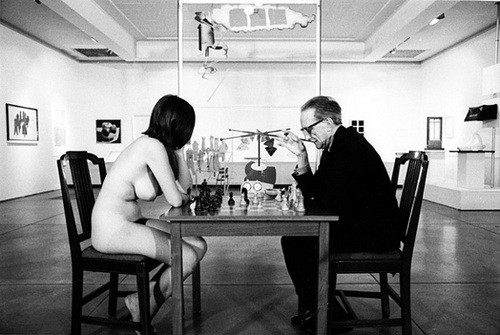
Marcel Duchamp vs. Eve Babitz You would think that a naked chess match would be a spectacle but the attention was more focused on the art on the walls and the mingling between Wire + Nail artists and visitors. Here’s the great thing about affordable art nights and fairs, they’re the only events that allow the public to look at art, engage with artists and gallerists and become a collector. Granted, there are many ideas of what an art collector is but think about it. You’ve probably got two or three pairs of shoes and/or clothes in your closet that equate to the amount of three (maybe four) art works from the Wire + Nail affordable art night.
My point: You don’t have to collect blue chip art to be an art collector!
Overall, the evening was both fun and entertaining and filled with some wonderful artwork at reasonable prices! Definitely hoping Wire + Nail has more of these affordable art nights for the public. It’s a great new space nestled off Mission Street showcasing phenomenal emerging artists.
Here’s a bit more on the micro gallery…
Wire & Nail was founded in 2011 by Tricia Rampe, proprietor of Artcrush.Me; a San Francisco art sourcing and consulting firm. Wire & Nail seeks to re-define the commercial gallery space by utilizing 21st Century mobile and Web technologies. We will provide interactive experiences that support and showcase emerging artists whose practices embrace both traditional and new media. Wire & Nail is open by appointment and exhibitions are available for viewing 24 hours a day 7 days a week via mobile and Web technology and street level display.
~ Source: Wire + Nail Gallery
¶¶¶¶¶
¶¶¶¶¶
¶¶¶¶¶
¶¶¶¶¶
¶¶¶¶¶
-
Associated with the sixth edition of Yerba Buena Center for the Arts’ triennial exhibition “Bay Area Now” — a varied roundup showcasing artists inspired by the region and beyond — is a presentation by the performance troupe Big Art Group called “The People: San Francisco.” The site-specific outdoor extravaganza, which loosely recreates the story of Aeschylus’ “Oresteia,” combines live theater with real-time, large-scale video projection and features interviews with locals who voice their thoughts about democracy, war, terrorism and justice. The production happens at street level at Z Space (450 Florida Street, San Francisco, CA 94110) on Sept. 16-17 at 8 PM. Admission will be $10.
Source: SF Examiner
¶¶¶¶¶
¶¶¶¶¶
¶¶¶¶¶
¶¶¶¶¶
¶¶¶¶¶
-
The days of happenings and Fluxus signaled a pivotal transition and a prophetic glimpse into Post (Post) Modern art. Such progression into participant based art within art history entailed the coining of Relational Aesthetics. The times when artists sat around and drank beer ushered its way into the cannon of conceptual fine art. Also known as relational art, relational aesthetics encompasses an art practice within a social context and the creation of the art dependent on the exhibition visitors and participants within a specific environment. Or as prolific Internet phenom art critic, Hennessy Youngman (Artist: Jayson Musson), has eloquently stated,
Basically, Relational Aesthetics is when someone with an MFA wants to meet new people but because they spent all that time pursuing an MFA, they don’t know how to talk to people normally. And they got really poor social skills. And they can’t find no other way to meet new people other than forcing them into odd activities at their own poorly attended art openings. Relational Aesthetics is also when a successful artist who is too busy touring the globe going from biennial to biennial and they have no time to make physical art objects anymore so the famous artist uses the attendees at the exhibition as the artwork in some ways, na whut I’m sayin’, to explore the social relationships between people.
Youngman’s choice of the Internet as a means of connecting with the world exemplifies the Internet’s global reach. The question that comes to mind involves how we see and experience art virtually (online) without specific references (i.e., a vlog entry with a discernible human face) and how artists and writers are defining it as art. From Muralism to Performative art, the physical public space has served as a forum to create work utilizing people and physical environment as a context for the pieces themselves but what considerations ought to be made to distinguish virtual performance as art? With the undercurrent and burgeoning of open source programming and a multitude of sites and blogs catering to ever type of human need imaginable, how does the new media artist discern oneself as an artist without having to subscribe to the sensibilities of tradition? What are the various forms of documentation or absence of documentation that include virtual Performative art as a part of art history and its evolution? Joseph DeLappe provides an interpretation of online performance art that serves as art with civic action in mind.
Joseph DeLappe’s piece, ‘dead-in-Iraq’, utilizes the virtual environment of ‘America’s Army’, which is the United States Army’s recruiting game. The virtual role-playing game is open to anyone interested in establishing an online account and perhaps possesses a profound interest and curiosity for the military. The game itself simulates the actions and consequences of war. Allowing for fantastical play where the player has endless lives and has the ability to kill enemies and, perhaps, even soldiers in their own platoons with the absence of admonishment, the end user’s thoughts and emotions translate and weave themselves into a collection of memories that are both real and imagined. A simple game and task at hand, yet, the underlying message remains the same, and you are a machine. The human self morphs into a virtual killing machine (in the literal and figurative sense) and DeLappe’s ongoing piece goes above mere performance, there is a universal message of conjuring up the fallen. Those individuals without an avatar and no(body) to represent them. DeLappe crosses over into a space that is real and unreal simultaneously and the young men and women either pay attention and act aggressively or stop and wonder what DeLappe is trying to prove. His method is simple. He types the names of dead soldiers from the Iraqi War until ‘friendly’ fire or enemies kill him. There is virtual/imagined surrender to a certain extent, which would be unfathomable in real life.
DeLappe utilizes the virtual space as a form of protest. There is a front facing insubordination each end-user receives and experiences unknowingly. By the artist refusing to play the game they are putting themselves on the frontline with the intention of disobeying the rules with purpose. DeLappe’s abeyance of the gameplay is the art and the other virtual soldiers take place in relaying the message. Obviously, if a million people were to re-blog or tweet the happenings of such activity, would there be a proliferation of similar action? A resistance by the masses? Or, is this a form of expression and performative virtual aesthetic action only to be performed by the Artist?
We have yet to see.
Originally posted to zer01 blog, please click here to view
¶¶¶¶¶
¶¶¶¶¶
¶¶¶¶¶
¶¶¶¶¶
-

See more comics from Calamities of NatureCalamities of Nature is one of those web comics you can’t deny. From science to politics to philosophical issues, the conversations between the cast of characters (Alp, Ferdinand, Harold, and Raymond) show the uncanny ability of creator, Tony Piro, to make abstract and esoteric ideas funny and palpable (yet still so incredibly intelligent and witty). The Artist and Audience comic strip came through this morning. Naturally, I couldn’t help but re-post for your viewing pleasure. In four frames, the Artist/Audience dynamic explained (and oh so cleverly). Enjoy!
¶¶¶¶¶
¶¶¶¶¶
¶¶¶¶¶
¶¶¶¶¶
-
Interactive media artist, researcher, and entrepreneur, Scott Snibbe’s latest work, Björk’s Biophilia App Album. Snibbe’s work not only speaks to the future of music that goes beyond listening, it showcases the possibilities of allowing the end-user to have a unique experience. Please view the video above and click here to learn more about the artist.
¶¶¶¶¶
¶¶¶¶¶
¶¶¶¶¶
¶¶¶¶¶
¶¶¶¶¶
-

A Los Angeles Aesthetic is definitely one of my favorite art bloggers. Her love for art has led her to Venice and she’s bringing shots of the Biennale to art lovers all of the world!!!
A few words for LAA…
THANK YOU, THANK YOU, and THANK YOU for sharing and I can’t wait to see more Pavilion shots and read more of your reflections! One day…I’m going to make it out to Venice myself. 2012, perhaps!? Again, LAA, you’re so awesome!
¶¶¶¶¶
¶¶¶¶¶
¶¶¶¶¶
¶¶¶¶¶
¶¶¶¶¶
-
¶¶¶¶¶
¶¶¶¶¶
¶¶¶¶¶
¶¶¶¶¶
¶¶¶¶¶
-
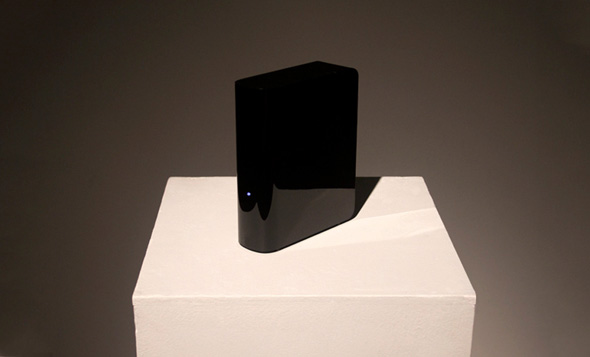
Yes, folks, this is a sculpture… 5 Million Dollars 1 Terrabyte (2011) is a sculpture consisting of a 1 TB Black External Hard Drive containing $5,000,000 worth of illegally downloaded files. A full list of the files with clickable download links can be found here. ~ Source: Rhizome / Rhizome Post Author: Jason Huff
* * * *
One of my favorite sites is Rhizome. No joke. It is, seriously, a fantastic source to learn more about arts, technology, and emerging art movements and artists. Some of the stories and postings simply cannot be denied such as the post you’re reading now! What do you think of this piece of art?
¶¶¶¶¶
¶¶¶¶¶
¶¶¶¶¶
¶¶¶¶¶
¶¶¶¶¶


 Dorothy R. Santos, Ph.D.