• Contemplating all the next steps for the new year…

    Dear Friends and Family,

    Surprisingly, writing on my art blog everyday is not a resolution for 2011!

    Rather, I’ve decided to form a habit. It’s been said that it takes up to 6 weeks (to form a habit, that is) so here’s my shot at writing, publicly, in 2011! How is this different from a resolution, you ask? It’s different in that I have no idea where this experiment will take me and it’s a habit (very rarely is a ‘resolution’ synonymous with a habit). I’m also up for challenging myself and getting my thoughts out there versus having them become stale rock hard thoughts that weigh me down. The promise is more to myself than anything or anyone else. I WILL write (a sentence, a paragraph, an essay) everyday about one of my passions, the deepest passion, which is Art – EVERYDAY. Yes, I said it, EVERYDAY!

    This will not be easy and some days, I may just throw a word on my blog and not care BUT I’m trying to make my voice known and heard in the arts community so I’m starting the habit today!! I will also be making use of TheDailyPost, a community of other bloggers with similar goals.

    If you’re a friend or family member reading this blog, I highly encourage you to leave comments and/or questions. I could always use the feedback, support, guidance, and constructive criticism! Cheers to a new year and, hopefully, a lot of new wonderful art projects and writing opportunities!

    Hearts and stars and monkey bars,

    Dorothy (aka E/IC Art Lover)

    ¶¶¶¶¶

    ¶¶¶¶¶

    ¶¶¶¶¶

    ¶¶¶¶¶

  • "To develop its Neurocapital applications, Acclair implements a fundamental architecture that includes (a) a wearable sensor (consumer brain-computer-interface) communicating with a (b) smartphone (personal application) that send information to a (c) “Data cloud” server (“meaning production” system), which provides the arguments for a (d) progressive reward mechanism used by both individual and institutional entities". ~Photo and text from the Acclair Neurocapital Services Site

    As much as I would like to view art as an escape, it’s not. I use my brain (a lot) when I’m looking at art (all types). Of course, I enjoy art yet I’d like to think I glean as much as I can philosophically, psychologically, as well as artistically when attending an opening or a much-anticipated exhibition because it is my hope that a deeper meaning and connection are forged that correlate to my passions. Yet, I’ve wondered, what if my musings and perceptions were to take on some form of currency, would I be hard pressed to return to my day job? Seriously though, even with such a simple act as looking, what if there was some reward? An incentive for looking?

    Contemporaneously, art is rather demanding, isn’t it? Even with paintings, drawings, and photographs, there is a higher level of skepticism, processing, and perception that adds to the already multi-layered experience of viewing art. With many genres, cultures, and sub-cultures capturing a myriad of ideas in various forms that already add to our growing lists and categories of things in the world, what if there was a way to evaluate art per the user’s experience? What if there was a way to measure and quantify cognitive processing? What if your brain activity served as an exchange for something you wanted, maybe needed?

    With your neural network engaged synapse after synapse regardless of you enjoying or vehemently disliking a work of art, the Acclair Neurocapital Services uses technology to create brain scans of your art experience. Imagine a scientific method that would allow you to see how you process artwork! In turn, helping refine your tastes, allowing you the ability to experience art in a way that is truly interactive, and witnessing the parts of your brain most activated by particular works.

    Artist, Luther Thie, partnered with Cognitive Researcher, Eyal Fried, and created the Accalair Neurocapital Services, which involves brain scanning and looks at neurological processes to somehow transform what we see into “biometric currency”. I have yet to put on the brain scanning device but I’m awfully intrigued to see what my scans would say about me, my preferences, or what emotions are triggered. As innovative as the project is, it steps far into the realm of science where beauty and genius become demystified by our collective experiences (i.e., data collection and metrics) and presents a new way of governing ourselves. Yes, I used the word governing because even tastes and preferences can be controlled (Maybe not in the Western world but I’m also thinking historically. Art has been used to govern and/or teach people ideology. I also realize this is a whole other issue so I’ll try to stick to the topic at hand). Imagine if this device were used by people who wanted to see a sampling of individuals intellectual and emotional reactions to some sort of propaganda? I know, crazy thought but just throwing it out there. As much as I admire and see the value in the neurocapital services project, there is a part of me that feels discomfort in seeing my profound love or dislike (for something I may or may not be able to even explain) as a cluster of data. I would, however, love to see the brain scans morphed into a project later on down the line but I’m sure there are other important aspects of the project that have yet to be fleshed out.

    Either way, the Acclair project has certainly caught my attention and here’s hoping I get a chance to physically see arts effects on me in the near future.

  • ·

    NORAD Santa Tracker!

    Admittedly, I’m not the biggest fan of the holidays. HOWEVER, I can appreciate and get into all the things people do to keep the spirit of Christmas light and exciting. It’s ridiculously endearing to see the creativity and imagination involved in keeping the fantastical, well, fantastical!

    I want to know the artist/animator/graphic designer who got a government job and tasked with creating the NORAD Santa Tracker. I mean, really, that’s quite a fun work project, if you ask me. Happy Christmas, Merry Festivus, Feliz Navidad, and Maligayang Pasko (this is Tagalog for Merry Christmas, just in case you didn’t know) to all! 🙂

    Click here to track Santa sleigh ride around the world!

    ¶¶¶¶¶

    ¶¶¶¶¶

    ¶¶¶¶¶

    ¶¶¶¶¶

    ¶¶¶¶¶

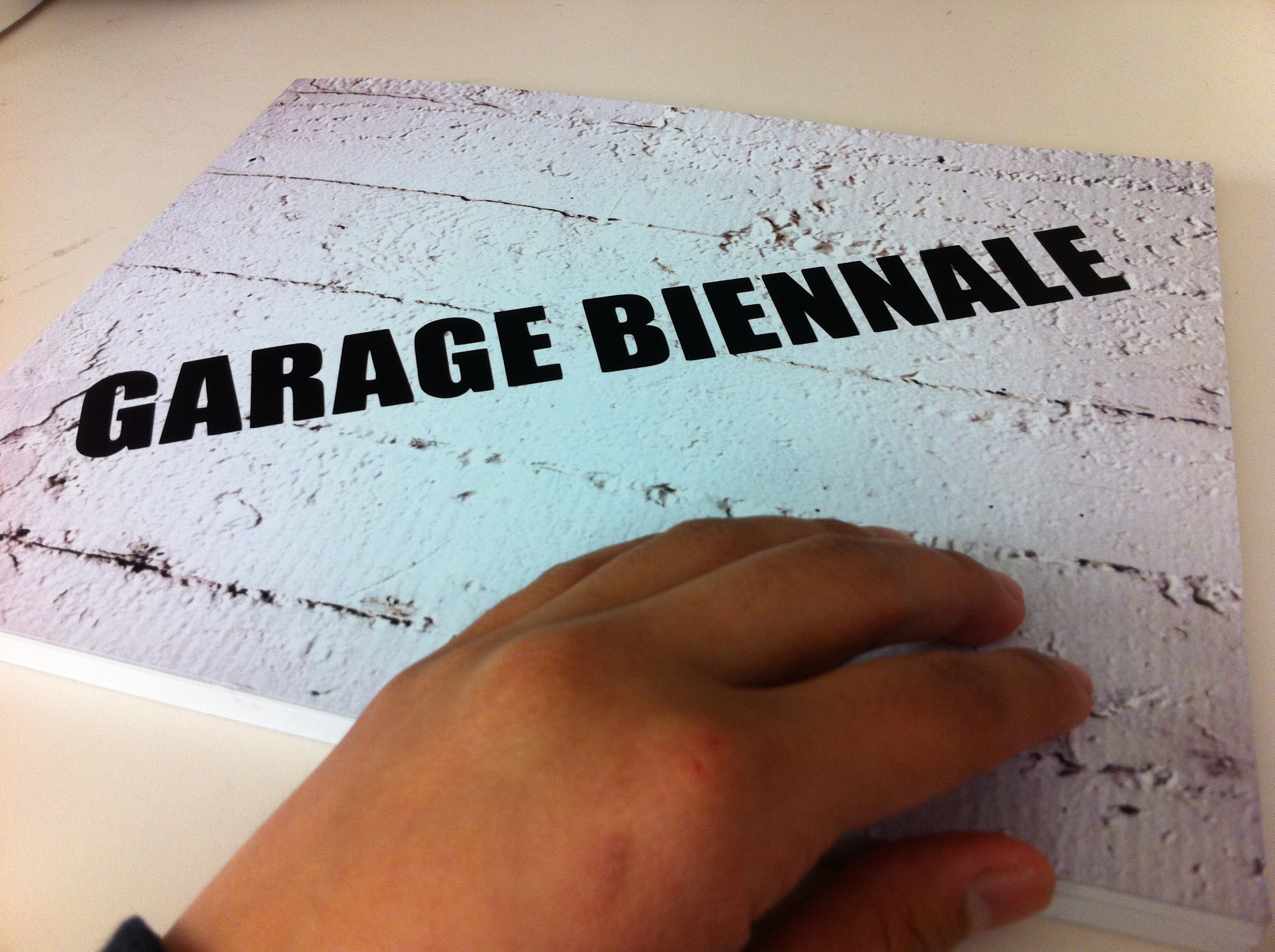
  • Book cover for Garage Biennale
    The first show I attended at the Garage – "I Walked Through Seven Sad Forests"

    Art is supposed to be an experience.

    Don’t you think? Well, I do.

    These days, it’s not enough for me to look at something on a canvas or a neatly stacked collection of combs (okay, so if it’s Sonya Clark, I know the combs are ridiculously magnificent looking and rife with cultural subtext and history. Yes, I love her work but I just digressed, big surprise).

    In any case, I said it and I’ll say it again. It’s NOT enough to just look at something for sheer retinal pleasure. As much appreciation and adoration I have for traditional art, there is something incredibly valuable about contemporary art in the conceptual realm. In particular, art pieces that are fleeting and ephemeral involve this excitement and wonder. The temporality of the Garage performances and exhibitions asked only one thing of its patrons – to be present. For those that wonder, “What good would a book about events I never attended and/or will never happen again do for me?” The answer: It’s a part of history. The loss of the moment. The loss of the opportunity. The loss of the time spent watching. The loss of an experience.

    “Being temporary is being human, but so is longing for permanence. However, impermanence is our nature, and once we embrace it we can forget about loss and failure. Decisions then come with clarity and alacrity. This is the beauty of temporality: you learn that, sometimes, through loss is the only way.” ~Justin Hoover

    Being an avid supporter of alternative art spaces, Justin Hoover‘s book, Garage Biennale serves as a wonderful chronicle of a truly alternative and experimental art space in San Francisco. I remember first learning about the Garage and utterly fascinated how one went about creating a gallery space that was simultaneously public and private. The dichotomy alone intrigued me and I considered myself a patron when I viewed my first show, “I Walked Through Seven Sad Forests”. It was the first art show I ever wrote about, actually. I always wanted to write about art but I never thought that this Garage would have been the impetus for that aspiration.

    I owe a lot to the Garage and Mr. Justin Hoover…thank you, my friend!

  • Who said beauty doesn’t matter? Similar to art, beauty’s ubiquitous and enigmatic nature is ever-present in our visual landscape. It is not just on billboards, in magazines, or the growing number of photographs we see of others (i.e., seeing our own ‘beautiful’ friends on social networking sites as we all re-define self-portraiture in this digital age) but even deep seeded in our histories, you will find how standards of beauty have been created. Our histories reside in our bodies. It is obvious in the way in which we care for ourselves.

    The Pagbabalik Project created an excellent performance piece comprised with rich stories and experiences of women within the Filipino culture. They looked at the cross sections of American and Filipino history, post-colonialism, and standards of beauty and how each are inter-related. After viewing this ‘work in progress’, it definitely goes beyond the Filipino community and steps into more universal themes such as acceptance, equanimity, tolerance, and a desire to learn about the self as well as other.

    My only criticism at this point: Looking at standards of beauty with the LGBTQ community (but during the talk back session of the opening weekend performance, this is an element of the entire project that has yet to be incorporated), which I was very excited to learn. I also heard the collective is interested in seeing how such issues are depicted in the Visual Arts (across genres). I foresee some amazing art coming out of The Pagbabalik Project!

    ¶¶¶¶¶

    ¶¶¶¶¶

    ¶¶¶¶¶

    ¶¶¶¶¶

  • I’m a huge believer in seeing art everywhere. Many people believe art must be an object (i.e., painting, drawing, etc.) exhibited inside museum and/or gallery walls and reserved for some elite group’s viewing pleasure. The contemporary artist must be well-rounded though (i.e., staying apprised of the arts and technology). Look at Takashi Murakami. Fans of Hip Hop artist, Kanye West, are probably very familiar with Murakami’s art and design for album cover, Graduation. Yet, I’m wondering if these same individuals know Murakami had a series of sculptures exhibited at the Palace of Versailles or that his work is auctioned off by Sotheby’s to very wealthy collectors. Probably not.

    Having the technical skills and a fine arts sensibility to execute graphic design and illustration that inevitably becomes a part of a culture’s visual language makes for one powerful artist. I like to believe that graphic designers and illustrators have that fine arts artist in them. Like Murakami, Aaron Lawrence is well on his way to designing himself into the Bay Area’s visual landscape.

    So, how did I found Aaron Lawrence? Well, I was sitting at The Summit cafe (which is a fantastic and unique cafe/gallery/tech space and oh so fitting for my discovery) in San Francisco’s Mission District. As always, I was thumbing through the books and zines displayed in their library. I found a piece of wood with a well designed print on it. It told me to find its creator – Aaron Lawrence.

    This slideshow requires JavaScript.

    Now…if he can only create more of that fine art. Crossing my fingers. Enjoy his answers to my Art 10 questions.

    * * * * * * * * * *

    1. What is your favorite (art) word?

    Collaboration

    2. What is your least favorite (art) words?

    Cannot

    3. What keeps you going when you’re in the studio?

    Everything. People, architecture, nature, other art – there is inspiration all around, if you look.

    4. When do you know you’re done in the studio?

    Time schedule or when I finish a piece.

    5. What words do you love to hear at an art show (your show or any show)?

    Inspiring, fun, and had a good time.

    6. What words do you hate to hear at an art show (your show or any show)?

    $10 cover

    7. What is your favorite curse word?

    Shit

    8. What profession other than being an artist would you like to attempt?

    Helping the poor.

    9. What profession would you not like to do?

    I saw this TV show where this guy’s job was to squeeze the shit out of baby chickens. I don’t want that job.

    10. If Heaven exists, what would you like to hear God say when you arrive at the Pearly Gates?

    Welcome.

    You can learn more about Aaron’s work by visiting his website.

    A special treat for you – image of  next month’s SF Guardian’s Christmas issue! Thanks, Aaron!


    ¶¶¶¶¶

    ¶¶¶¶¶

    ¶¶¶¶¶

    ¶¶¶¶¶

  • Being on medical leave (for knee surgery) subjected me to RICE (Rest, Ice, Compression, Elevate – Thanks, BFF and Google), reading and playing Words with Friends (via my iPhone). Since I love being outdoors, taking walks (anywhere and, sometimes, aimlessly), it’s safe to assume the recuperation period has been challenging and makes me rather talkative when my girlfriend comes over to have dinner after a hard day’s work. Good ole cabin fever starts to make me wonder all sorts of things and was quickly reminded of how I have a connection to people outside of these walls. Whether it’s through social networking, texting, chatting on gChat, posting some random thought, picture, or video on my tumblr, or writing about art; people are bound to know some aspect of my personality even if they don’t know me. Ten years ago, it was a bit taboo engaging in some online rendezvous and perhaps, a bit on the desperate side for those who consider themselves introverts. Nowadays, it’s strange if you’re not connected to the rest of the world. My goodness, if you don’t have a phone, people look at you as if you’ve been in some cave.

    I love art because it takes you out of yourself. The displacement that occurs when you go to a museum, gallery, or an art opening is the very reason artists are extremely important in this touch screen interface laden culture. Cristin Norine and Joshua Jay Elliott have created a project examining the effects of technology and the degradation of face to face interaction. Norine will be living in a studio space exposed to the world (well, physically, anyone in Portland, Oregon), for 30 days, communicating ONLY through technology (i.e., Skype, social networking, Face Time, e-mail, texting – you get the point). Consider me intrigued…

    Is it art? If you’re talking about it and asking the question, it probably is.

    You can read Norine’s blog here.

    ¶¶¶¶¶

    ¶¶¶¶¶

    ¶¶¶¶¶

    ¶¶¶¶¶

  • One of my new favorite blogs – a Los Angeles aesthetic!

    This recent grad has much to say about contemporary art and her blog is filled with reflections and photography. As a matter of fact, her entries remind me to carve time out of my busy schedule to address the things I love outside of the office. Her blog certainly serves as a catalyst for me but it’s also a great way to see what’s going on in her area (Santa Monica, CA). Please give her blog a visit!

    You can also find her listed on my Blogroll should you need a reminder of where to find the LA Aesthetic!

    ¶¶¶¶¶

    ¶¶¶¶¶

    ¶¶¶¶¶

    ¶¶¶¶¶

  • Hello Friends! Please check out 101 Conceptual Art Ideas. It’s a clever blog about, well, you guessed it, Conceptual Art Ideas. You can actually find the link under “art places/spaces” under the Links section!

    Some of you may ask, “Why do you love this blog, Dorothy?”

    Answer: It’s simple. It starts a dialogue. Please visit and talk to me or anyone you know. The conversation may last for 2 minutes or 2 hours. Regardless, you’ve been equipped with more art knowledge.

    ¶¶¶¶¶

    ¶¶¶¶¶

    ¶¶¶¶¶

    ¶¶¶¶¶

  • It’s been a flurry of activity on the art writing front! Although I have not been feeling well lately, I had to punch something out after recuperating from a tough morning. Yet, I was able to produce the write up below for the Critical Sources art writing workshop at The Lab. This is the “before” version.

    **********************************

    Writing offers readers archetypes and projections of the real world whether the writer intends for that or not. Like the curvaceous, long winding Mississippi river with tributaries flowing into the larger body of water; contemporary American life possesses an analogous structure and tendencies. From Allison Smith’s reproduction of historical artifacts serving as a narrative of the Antebellum South to Jason Meadow’s re-appropriating popular culture icons as an interpretation of Huck and Jim’s relationship throughout their journey; the wondrous, confluent effects of literature and visual arts on our perceptions and understanding of a complicated history permeates in the latest Huckleberry Finn exhibition at the Wattis Institute.

    The wide-ranging collection inspired by Huck and Jim’s misadventures and voyage down the Mississippi River forge new ways of looking at the story and its portrayal of race relations and how environment can dictate one’s actions and reactions. In Sleeping by the Mississippi, a photographic series by Alex Soth, the river becomes a stage for the mind’s eye provoking the viewer to fathom a version of the tale. On the other end of the spectrum, Kireston Pieroth not only takes the actual story and presents it to the viewer; she preserves it in such a way that is tantamount to an American past time – jam and jelly making. With her presentation of the prose in an unorthodox way, Pieroth shows how the novel has become embedded and preserved in American history and culture.

    While the lower gallery introduces us to the text, the upper gallery showcases the intricacies and intersections of racism and how the past affects our present day understanding of the classic prose. The exhibition goes to great lengths to remind patrons that a story not only mirrors what is relevant at a given time but it becomes perennial by its power to touch upon that which is universal – the human desire to understand ourselves through the Other.