• Since I did not have a reblog Monday this past week, I’m doing a Saturday morning reblog! He is a post regarding Southern Exposure’s public art grant program. You will definitely want to check it out if you have the time. Supporting the arts is good for the soul. 🙂

    cwongyap's avatarR+D

    Southern Exposure’s public art grant program celebrates its first commission tonight! I was happy to supply a bit of 19th-century-inspired typography for the graphic design of the mailer (read the essay)….

    Manifest Destiny! Reception
    February 18, 20124:00 PM – 6:00 PM
    Hotel des Arts, 447 Bush St, San Francisco, CA
    soex.org/manifestdestiny

    Jenny Chapman and Mark Reigelman’s Manifest Destiny! is a temporary rustic cabin occupying one of the last remaining unclaimed spaces of downtown San Francisco – above and between other properties. Using a 19th-century architectural style and vintage building materials, the structure is both homage to the romantic spirit of the Western Myth and a commentary on the arrogance of Westward expansion. The installation will remain in place and be slowly transformed by the elements through October 2012.

    More info on soex.org.

    View original post

    ¶¶¶¶¶

    ¶¶¶¶¶

    ¶¶¶¶¶

    ¶¶¶¶¶

  • This slideshow requires JavaScript.

    I asked a dear friend about her attention span. She was candid in sharing that if 200 characters don’t entice her, you’ve lost her. She is an intelligent woman and I completely trust her opinion. Now, that’s not a lot characters to lure someone in. Yet, it speaks to the culture we live in. Granted, this post (originally posted to zero1‘s blog) is pretty lengthy but the show resonated with me because words are important to me (duh!). Being a writer is difficult and challenging work. I constantly wonder who might care but as one of my great mentors shared with me…this is why you write…because you give someone something to care about. Okay, enough, enjoy the piece AND if you make it through the entire piece, I will send you something in the mail (promise). 😉

    *     *     *     *     *     *     *

    Technology often conjures up images of mobile devices, machines, and programming. Yet, technology, according to Wikipedia, “…is the making, usage, and knowledge of tools, machines, techniques, crafts, systems, or methods of organization in order to solve a problem or perform a specific function”. With all the taxonomies and ever evolving nature of art, new technologies present themselves everyday. Yet, the barrage of images in the media are not the only thing that inundate us. Language is ubiquitous. What limitations do we experience when we’re forced to use only 140 characters? What does this impact the way we communicate? Or how do we make sense of the words that make it into our vernacular in such a fast paced environment? In Other Words, showing at the Intersection for the Arts, showcases the work of contemporary artists interpreting our collective relationship and understanding of language. Kevin Chen, Intersection for the Arts program director, gathered artists looking at the written word to extrapolate human behavior and creativity, re-configurations and semantics of language, the tactile nature of typography and script, and the physical placement of text.

    Imagine the networks and visual spaces we visit. What would those lines, images, and words look like meshed together? Emanuela Harris-Sintamarian answers this question through her visual metaphors of social media. Her work forces the viewer to realize that it doesn’t really matter where you look because it is all within the same space. The habit-forming behavior of constantly checking our e-mail, looking for new tweets, and compulsively looking at peoples’ photo albums online is the basis for this work. She shows how we open ourselves up to a world hoping to find something new but it is all the same material. The same people in different places. Harris-Sintamarian’s work is a testament to how our minds might synthesize and re-appropriate the world.

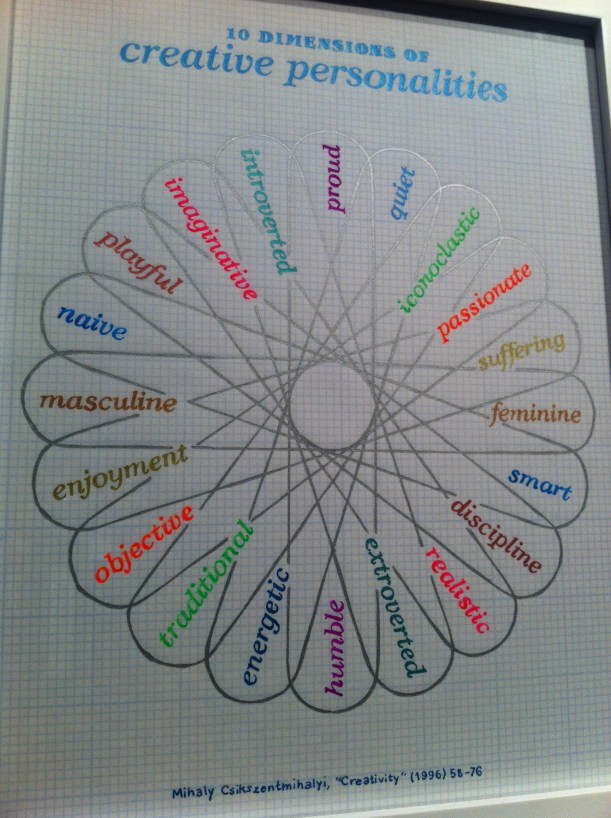
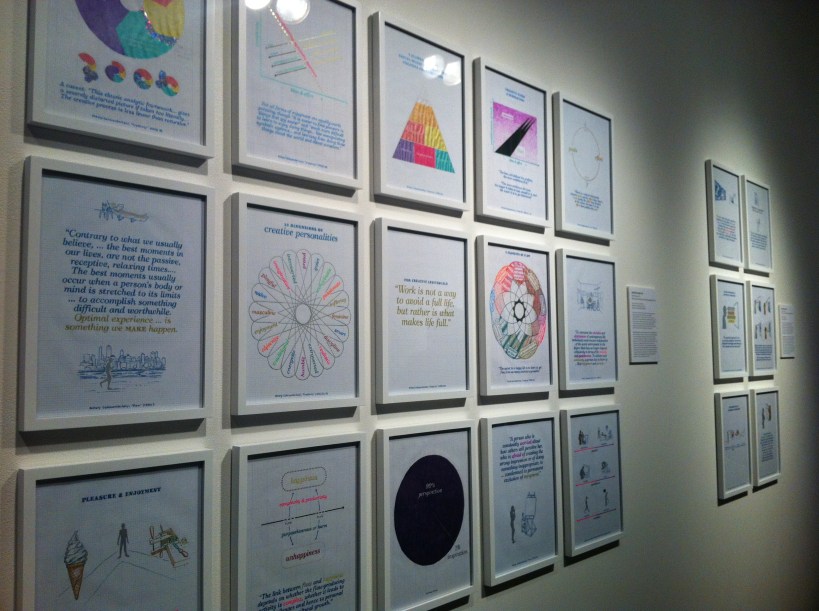
    Christine Wong Yap’s work looks at Optimism and Pessimism in human behavior. Inspired by the work of psychologist Mihaly Csikszentmihalyi, Yap’s drawings are interpretations of his notable sayings and statistical analyses. The replication of scientific text through drawing and handwriting solidifies good habits in the viewer as well. Yet they serve as meditations for the artist. Her well curated info-graphics and carefully written text are worth the attention. In this digital age, people will find Yap’s work refreshing because it serves to remind us of our capacity to create.

    Katie Gilmartin Queer Words re-contextualizes the relationship between words and images. Although seemingly mundane and innocuous, words such as ‘bear’ may conjure a wild animal, yet take on a completely different meaning within the queer lexicon. The vernacular and pictures Gilmartin employs are humorous and overt. She plays into both our collective consciousness and gender constructs.

    Speech and language take on a physical form in Alex Potts work while Cassie Thornton re-interprets the television as a form of purely textual communication. Past the main entrance, visitors see a spiral staircase with multiple white waxed cornucopias inviting the viewer to engage and experience space, form, and sound. Potts work with audio and feedback based on the participants’ engagement with the work is integral to comprehension of what language may sound like from one person to another. He creates the forms but relies on the active listener and participant to bring the piece to life. In Education Delivers People (2011), Cassie Thornton re-interprets Richard Serra and Carlota Fay Schoolman’s work, Television Delivers People (1973). Thornton’s piece seems to translate, to a certain degree, a similar message but tailored to a contemporary audience. Simultaneously, the work reflects history and how it relates to the current state of the economy. Through stand alone text, without all the images and superfluous media, the viewer becomes enlightened.

    Textile work, “She wrote love letters in 1971”, by Julia Goodman, the viewer is left to imagine love letters. Goodman layered and folded memories together to create a simulacra of memories in a piece with very little text. The piece serves as a testament to how the imagination creates the stories, words, phrases, and tales perhaps much richer in the mind devoid of spell check. “Wear your biggest smile. (2012), by Annie Vought, is based on a collection of dreams culled from the Internet. She visualizes a particular order by precisely cutting away to reveal a translation of virtual to physical.

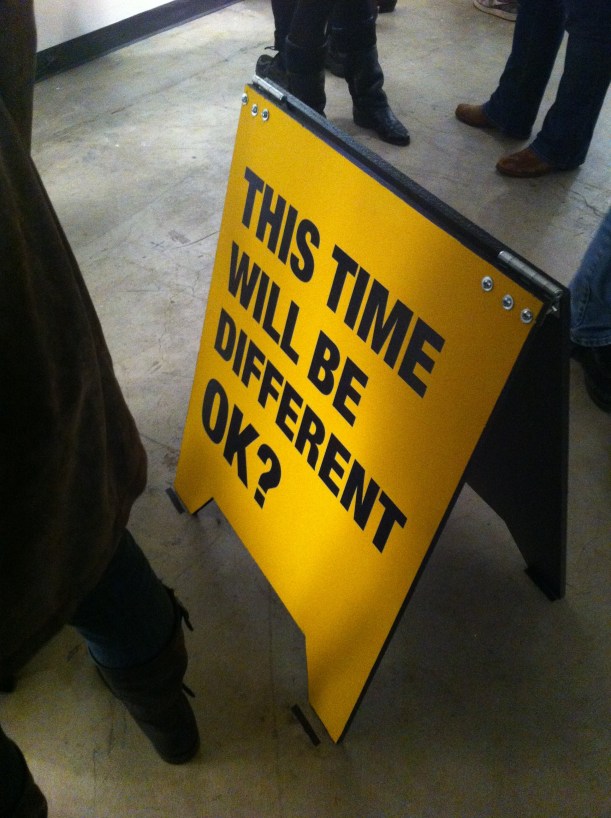
    Lastly, physical engagement with text in space is seen in the work of Meryl Pataky. Your Company (2012) and Say It Out Loud (2012) made with steel, brass, and computer parts displays our digital waste and re-configures the refuse into physical three-dimensional language. The shapes and bends of the material simulate how we may perceive the world in which we work and find ourselves confined to. Pataky creates a bit of mysticism in his deconstruction. We see the words but don’t necessarily have to understand the etymology. We see them in space and that is all that matters. In contrast, Susan O’Malley sprinkles plaques throughout the venue coupled with larger sandwich boards adorning the center of the gallery space. O’Malley wants to lead the viewer to an experience of art through a playful hide and seek of text which serves as a metaphor to the hidden meanings of language we encounter on a daily basis. Overall, our relationship to language is multi-faceted and constantly evolving as seen in these works. Chen’s selection of artists not only illuminate the complexity of language but evoke our senses and reactions to them.

    Originally posted to the zero1 blog

  • ARTS TECH Meetup ~ Image Source: ARTS TECH site

    It’s been pretty crazy (to say the least) but happy to report I attended the first Arts Tech Meetup in San Francisco tonight! The Arts Tech Meetup originated in NYC based on the need for artists, technologists, and creative professionals to connect, re-connect, and forge some symbiotic partnerships. Like anything else, you never know who you’re going to meet or what to expect but I must say, it was an evening filled with business card and knowledge exchange. Meetup organizers: Jaki LevyJenny Ma, and Marc Mayer were friendly and welcoming. Their energy and enthusiasm in connecting the people in the Bay Area arts and tech community is commendable. I’m looking forward to future meetups. If you’re interested in learning more about this meetup, please click on the image above.

    ¶¶¶¶¶

    ¶¶¶¶¶

    ¶¶¶¶¶

    ¶¶¶¶¶

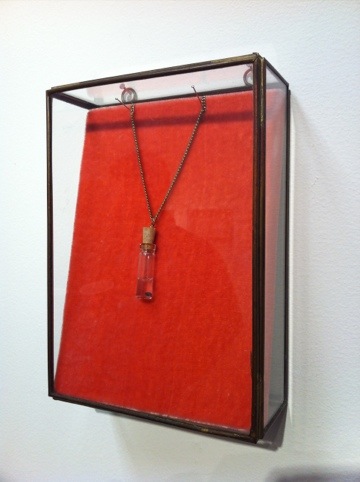
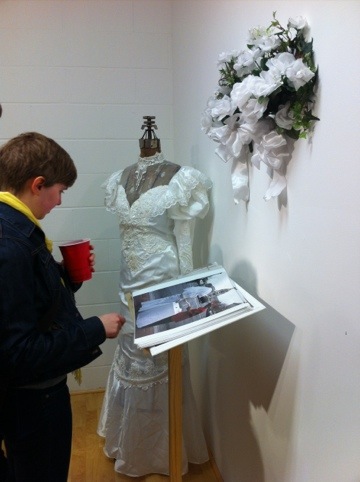
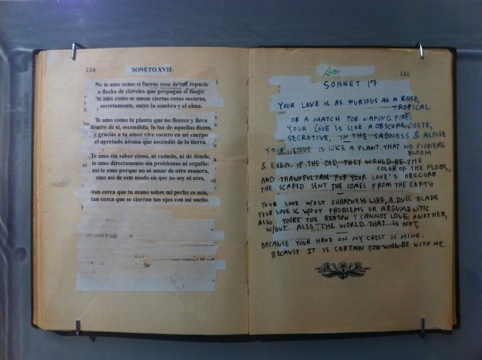
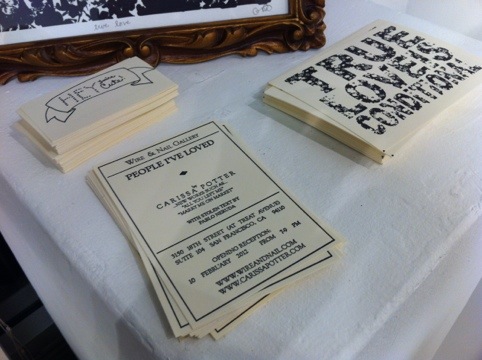
  • When I’m not thinking about the afterlife, I’m thinking about love. This is true. Currently live blogging at Wire + Nail Gallery for Carissa Potter’s opening, People I’ve Loved. One of my favorite artists.

    20120210-200012.jpg

    20120210-200033.jpg

    20120210-200107.jpg

    20120210-200138.jpg

    20120210-200152.jpg

    ¶¶¶¶¶

    ¶¶¶¶¶

    ¶¶¶¶¶

    ¶¶¶¶¶


  • I don’t like being morbid but I find the topic of a digital afterlife extremely fascinating. Being present and engaged in life is a great way to live; however, it’s difficult to not think about the things which seem beyond our control. It’s already difficult to keep my life in order and I see myself as a pretty organized person. Why do I need to think about what happens to my digital possessions? Does it matter? Will it matter? After some consideration, I realized I’ve got  a bit of stuff in the digital universe – a blog, art writing, pictures, videos, and important documentation (i.e., financial statements, tax information, etc.). I’m leaving a legacy but is there value? Who determines the value after I’m gone? Does this mean I have to leave my Mom, partner, and best friend a list of all my accounts, usernames, and passwords in a safe deposit box [scratches head, I’ll just e-mail them]?

    Seriously though.

    Having been through the passing of my father and grandmother in the past few years, this was not an issue. Believe it or not, neither one of them used the internet (ever). Yes. It’s true. Those people still exist (i.e., my maternal grandfather who is fortunately still with us never used the net nor does he have any interest in doing so). Yet, when a friend passed away some time ago, this thought of memorializing and digital self started to fascinate me. As I saw his Facebook profile fill up with well wishes in the afterlife (whether on one exists or not is a separate discussion), I started to wonder about the way we depict ourselves online. Friend and fellow blogger, Shirley Rivera, posted an article on her wall about the digital afterlife, that this piqued my interest (again). People always mention being careful what share online because this is a part of what you leave behind. For instance, when Heavy D passed away, the news anchor finished off by saying, “Heavy D’s last Tweet: Be Inspired“. Granted, if some celebrity’s last tweet was, “I’m lovin’ these bagels right now” or “Oooo, The Motto is my jam, turn that sh*t up”, I’m pretty sure they would spare the deceased the embarrassment but it is the internet, people will go looking for your legacy! Your digital life speaks volumes of who you might be. Crazy, eh?

    I decided to break this discussion up into a few parts, this serves as the introduction. Check out Your Digital Afterlife here and tell me what you think. I’m interested on what your thoughts are. In addition, with each part on this topic will be supplemented with an artist whose work touches upon the idea of a digital/virtual self, death, and loss.

    For Part I, I wanted to [re]introduce you to Kenneth Lo. I’ve written about his work in a earlier post, which you can view here. You have to see his work in person the next time he has a show. For now, please visit his site and feel free to leave comments and/or questions about his work.

    ¶¶¶¶¶

    ¶¶¶¶¶

    ¶¶¶¶¶

    ¶¶¶¶¶

  • It’s that time of the week again! Re-blog Mondays because my brain is still thinking about the weekend and re-adjusting and re-directing my brain cells to writing projects and assignments for the week.

    This week’s re-blog post hails from the Rocketblog (aka Rocket Grants)! This particular post is about the Bay Area’s very own, Art Practical. Patricia Maloney, AP founder, and her staff took a trip out to Kansas City to meet artists and writers from the region. Art Practical was awarded a Rocket Grant to work with expanding the Kansas City artists network through a series of writings that will focus on Rocket Grants artists. Please check out the post to learn more about this unique partnership!!

    rocketgrants's avatarRocket Grants

    WOW! What an amazing weekend!  The untiring curiosity, gravitas, humor, intelligence and kindness of the visiting Art Practical team were simply inspiring. Patricia Maloney, Victoria Gannon, Christian L. Frock and Elyse Mallouk kept up an intense schedule to meet with as many institutions and artists as possible in their brief 3-day stay in Kansas City, and throughout it all they somehow maintained their determination to be just as fresh and present for the last encounter as the first.

    The public program at KCAI and the Rocket Grants brunch at PLUG Projects (see the slide show) were a provocative opportunity for us all to examine our own arts community in both an objective and introspective way. The metaphors that immediately came to mind to describe the roles that AP performed here were those of a mirror and a catalyst. But this is not really accurate because those two agents…

    View original post 212 more words

    ¶¶¶¶¶

    ¶¶¶¶¶

    ¶¶¶¶¶

    ¶¶¶¶¶

    ¶¶¶¶¶

  • Artist: Christine Wong Yap

    This past Wednesday, I went to the opening, In Other Words, at the Intersection for the Arts and snapped a few photos on my phone. I really need to start lugging around my fancy camera. Although mobile devices may come in handy, art (all forms) deserve the prestige that tons of pixels can actually deliver.

    One of my art heroes, Christine Wong Yap, was a featured artist in the show. She is one of the artist-writers that gave me the resources and guidance towards art writing. I appreciate her and constantly feel inspired by her work, work ethic, and writing. Her art looks at human behavior related to optimism and pessimism. One of my writing projects includes a lengthier write-up about the show, which is forthcoming. For now, please click here to view more of her work.

    Artist: Christine Wong Yap

    Here’s a short bio for Christine Wong Yap. Text Source: Artist Website ~ Interested in a full bio, click here

    Christine Wong Yap is an interdisciplinary artist working in installations, sculptures, multiples, and works on paper to explore optimism and pessimism. Her work examines the paradox that mundane materials or situations can give rise to irrational expectations, emotions, and experiences. Major touchstones are language, light and dark, and psychology. Her work has been exhibited extensively in the San Francisco Bay Area, as well as in New York, Los Angeles, Manila, Osaka, London, Newcastle, and Manchester (U.K.). Born in California, Yap holds a BFA and MFA from the California College of the Arts. A longtime resident of Oakland, CA, she relocated to New York, NY in 2010.

    Artist: Susan O’Malley

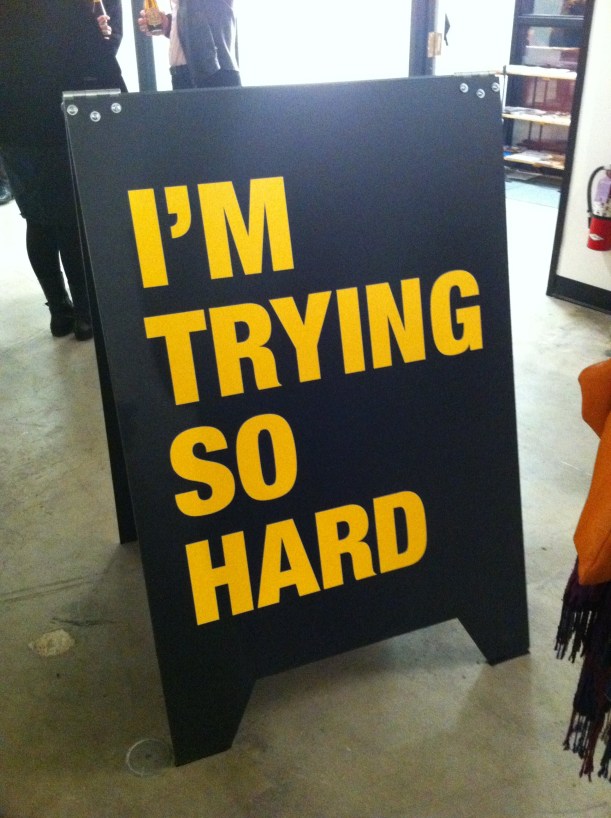
    Susan O’Malley makes you stop and look (and read) and wonder. There’s an interesting dialogue that occurs when you’re confronted with a sign. Typically, signage is up high on some awning or words and images on a billboard but you look. It’s part of our environment. You’re probably thinking, “Why is a sandwich board in a gallery considered art?” Well, the short answer is that it leads to an interaction. From this piece, I learned sandwich boards are prohibited outside of the premises, which O’Malley found interesting considering all the wonderful things happening inside the San Francisco Chronicle building (I’m referring to the placard that explains a bit more about the works).

    Artist: Susan O'malley

    Here’s a bio for Susan O’Malley. Text Source: Artist Website ~ Please visit her site here

    I am drawn to simple and recognizable tools of engagement—offering a Pep Talk, installing a roomful of inspirational posters, distributing flyers in a neighborhood’s mailbox, conducting a doodle competition at a high school— in order to offer entry into an understood, and sometimes humorous, interaction of everyday life. Ultimately, I am looking for a moment between you and me, a diversion from our lives so that maybe we can understand each other better.

    I received an MFA from California College of the Arts’ Social Practice Area. My work has exhibited in Bay Area galleries, including Southern Exposure, Mission 17, Ping Pong Gallery and CCA’s PlaySpace.

    More to follow…

    ¶¶¶¶¶

    ¶¶¶¶¶

    ¶¶¶¶¶

    ¶¶¶¶¶

  • Matt Ganucheau does it again. Yet another awesome recommendation. This time, in the form of a musical short film that may be all too familiar to folks watching this now. Please feel free to leave a comment about how this resonates with you OR how it doesn’t. I’m curious and would love to hear what you think.

  • Time-Out / Temps Mort by Ogrydziak / Prillinger Architects ~ Image Source: Ogrydziak / Prillinger Architects

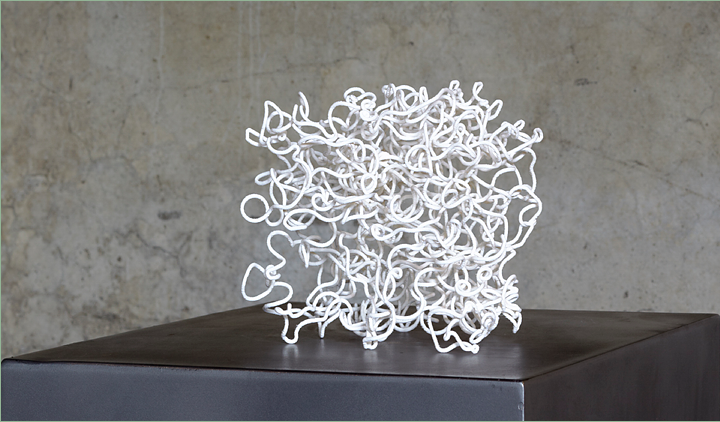
    A couple of weeks ago, I attended an Upgrade! SF meeting filled with artists, writers, theorists, and curators within the new media arts community. The evening was filled with conversation around Chance Operations and stochastic methods related to the art making process. Luke Ogrydziak, principal architect at Ogrydziak / Prillinger Architects gave a brief talk around chance in the architecture and design processes. His presentation touched heavily on the idea of indeterminable factors affecting a final outcome or product. For instance, some of the objects constructed through C++ programming language. Although there is an element of precision through the computation, the digital environment also allows for chance to create sculptural pieces such as Time-Out / Temps Mort (pictured). Specific constraints may prohibit physical and manual production of this piece but Chance Operations, with advancements in technology, allow for organic forms to emerge.

    Matt Ganucheau, San Francisco based artist, views chance as a sterile aspect of the art making process. Chance requires a bit of action. He stated,

    Chance is a stimulant that requires an agent and a seed. Once you increase the production, you begin to see repeat occurrences, thus chance increases. It is always apart of the process but only through repetition do we see its potential.

    Another interesting point brought up during the evening was the intent of an artist. Intention plays a major role in how chance is revealed. It’s one thing for an artist to work in solitude and engage in experimentation strictly for oneself. It’s a completely different story and outcome when the artist relinquish control of production and leaves chance up to the viewer thus making them a producer. Essentially, everything produced within an art practice and process still requires calculation and precision. Regarding John Cage’s methods of art and music making, I’m curious how technology eliminates, illuminates, or adds yet another layer or modality of Chance. Even after acts and gestures are performed within an art practice, choice determines an outcome and not necessarily chance. I’m curious, as an artist, a writer, technologist, etc. what do you define as chance operations and how has it played a role in your practice and creative process?

    Please log onto ZERO1’s Facebook page, make sure to “Like” us, and post your thoughts on Chance Operations.

    Look for the following question and join the discussion, “With advancements in technology, from photography apps to programming language to 3D printing, are Chance Operations necessary in the art making process? Why or why not?”

    Originally posted to ZERO1, please view the blog post here

  • Since it’s re-blog Monday, I figured I would search some of my favorite blogs and share something wonderful with you. This Monday, I wanted to pass on Hack a Day post on The Light Painting Stick. Check it out and if you end up creating some art work, please send it my way. I would love to post to my blog and share with readers. Enjoy!

    ¶¶¶¶¶

    ¶¶¶¶¶

    ¶¶¶¶¶

    ¶¶¶¶¶

    ¶¶¶¶¶